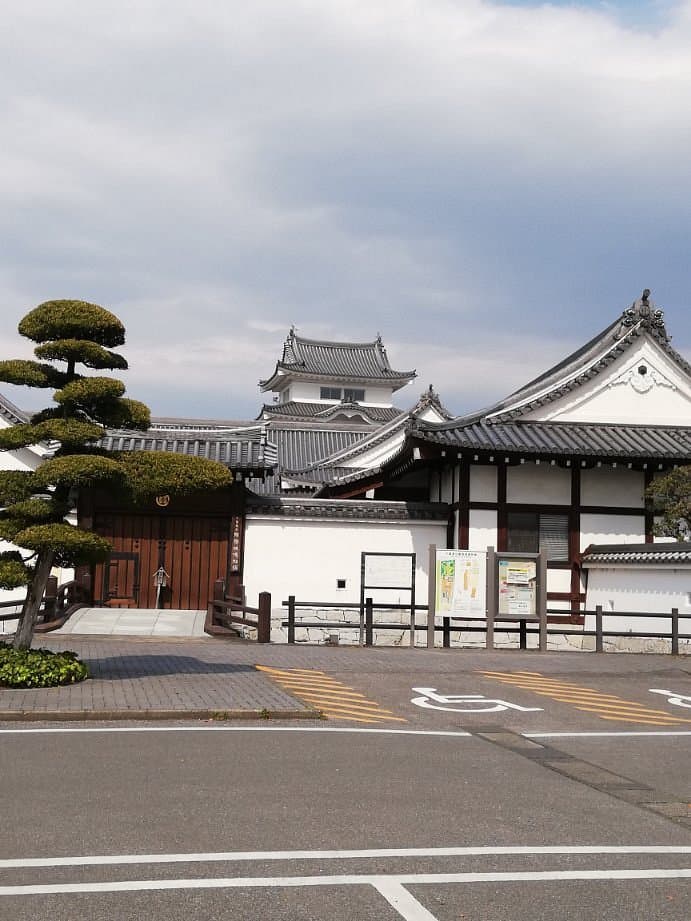
The Chiba Sekiyado Castle Museum is a modern reconstruction of a castle, serving as a museum dedicated to the history of flood control and river management in the Kanto region, particularly concerning the Tone and Edo rivers. It highlights the crucial role Sekiyado played in river transport and communications before the advent of rail and roads, showcasing the impressive engineering feats of the Edo period.
Visitors consistently praise the museum for its detailed and interesting information on the historical efforts to control river flow and protect against flooding. Reviewers note the excellent descriptions of how the Tone River was diverted in the early 18th century, a monumental task for its time. While some visitors initially expect a traditional castle experience, they often find the focus on river history surprisingly engaging. The panoramic views from the fourth floor are frequently highlighted as a major draw, offering expansive vistas of the surrounding area.
To make the most of your visit, allocate approximately 1-2 hours to explore the exhibits thoroughly. Several visitors mention a small entrance fee, so be prepared for that. Photography is generally not allowed inside the museum, which is a common point noted by guests. Consider visiting on a clear day to fully appreciate the views from the upper floors. If you're traveling by bicycle, as some reviewers have, be aware of the distances involved; one visitor mentioned a two-hour bike ride to reach the museum.
The museum is located at 143-4 Sekiyado Sangenya, Noda, Chiba Prefecture. While specific public transport details are not extensively mentioned in reviews, its location suggests that a combination of train and local bus or a taxi might be necessary from major stations. For those driving, it can be a convenient stop if you are already in the Noda area or en route between places like Tsukuba and Kasukabe.
A common complaint is the expectation of a historical castle with traditional artifacts, only to find a museum focused on river engineering. To mitigate this, approach the visit with an open mind, understanding that its primary purpose is educational about regional hydrology and history rather than a typical castle tour. The lack of photography inside can be disappointing for some, so be prepared to enjoy the exhibits without capturing them on camera.