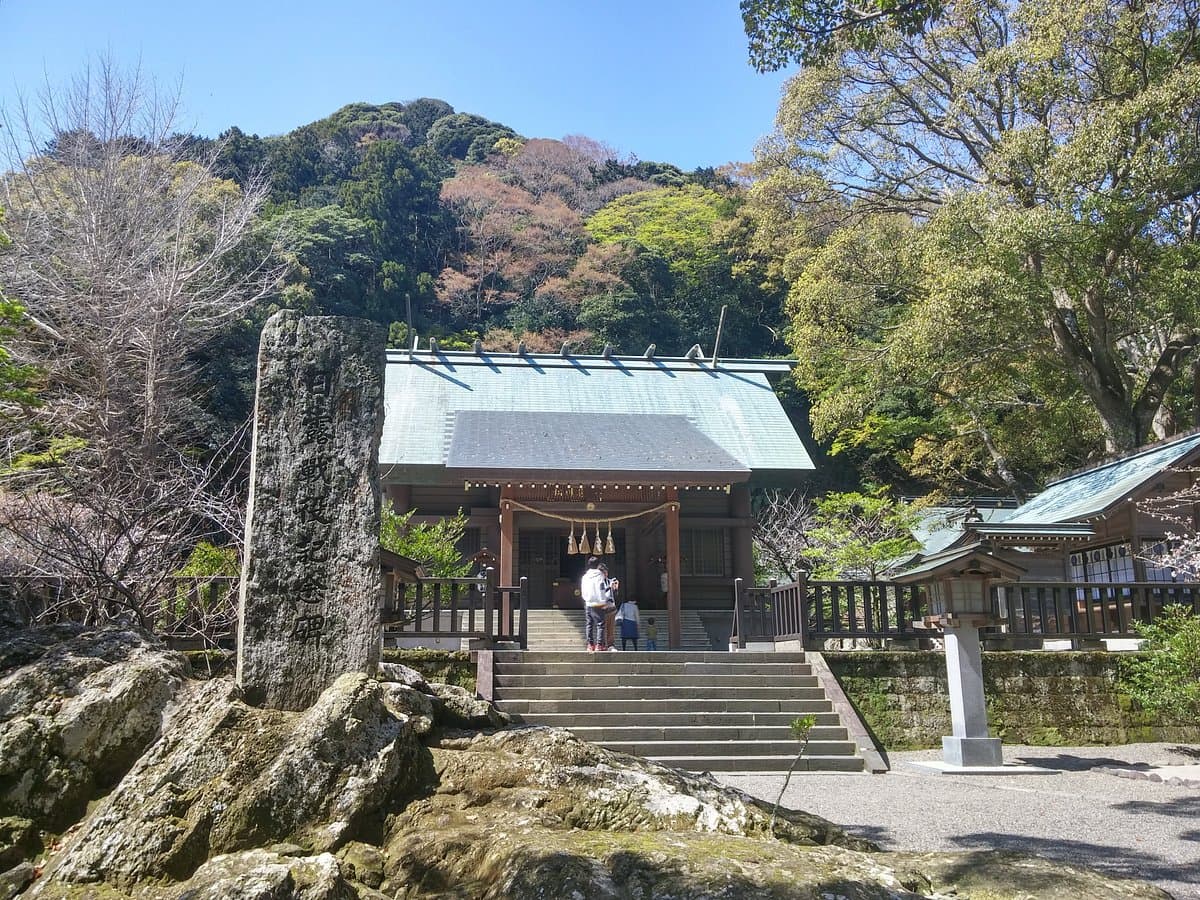
Awa Jinja, also known as Awa Shrine, holds significant cultural and spiritual importance as the Ichinomiya (chief shrine) of the former Awa Province in Chiba. It is particularly renowned as one of Japan's "three great shrines for luck with money" (Kinun-jinja), attracting worshippers seeking financial prosperity. Its historical roots are deep, with legends connecting it to Amenotomi no Mikoto, who was ordered by Emperor Jinmu to reclaim fertile land.
Visitors consistently highlight the shrine's peaceful and solemn atmosphere, often noting the quiet forest setting and the impressive large white torii gate that marks the entrance. Many describe feeling a sense of calm and spiritual rejuvenation, with some even mentioning a feeling of lightness in body and spirit after their visit. The presence of ancient trees, including a sacred Maki tree, and the Shinmei-zukuri style of the main hall, similar to Ise Jingu, contribute to its revered status. While some shrine buildings are relatively new, the overall ambiance remains deeply traditional and reflective.
To fully appreciate the tranquility, consider visiting during off-peak hours, such as Saturday noon, when reviewers noted fewer crowds. The shrine grounds are spacious, allowing for a leisurely stroll. Many visitors recommend spending 1-2 hours to explore the approach, the worship hall, and the surrounding natural elements like the small cave and pond. Bringing comfortable walking shoes is advisable, as the approach includes a gravel road. If visiting around late June, you might encounter the "Ground the Kaya Ring" ceremony, a unique cultural experience.
Access to Awa Jinja is relatively straightforward by car. Reviewers mention that the road from the highway exit is almost straight, and parking is readily available near the shrine, often along the approach. While public transport options are less frequently mentioned in reviews, driving offers convenience and allows visitors to easily reach this somewhat secluded natural setting. The shrine is located near the sea, adding to its scenic appeal.
A common observation, though not a complaint, is the shrine's secluded nature, which means fewer amenities immediately surrounding it. Visitors should plan accordingly for food and drinks before or after their visit. The quietness, while praised, also means it might not be suitable for those seeking bustling tourist attractions. Embrace the solitude to fully experience the spiritual power many reviewers describe.