Sensō-ji is Tokyo's oldest and most significant Buddhist temple, founded in 645 CE and dedicated to the Bodhisattva of compassion. Though destroyed during World War II, it was meticulously rebuilt, standing today as a powerful symbol of rebirth and peace. Its grandeur, historical depth, and the vibrant surrounding district of Asakusa make it a cornerstone of Tokyo's cultural landscape.
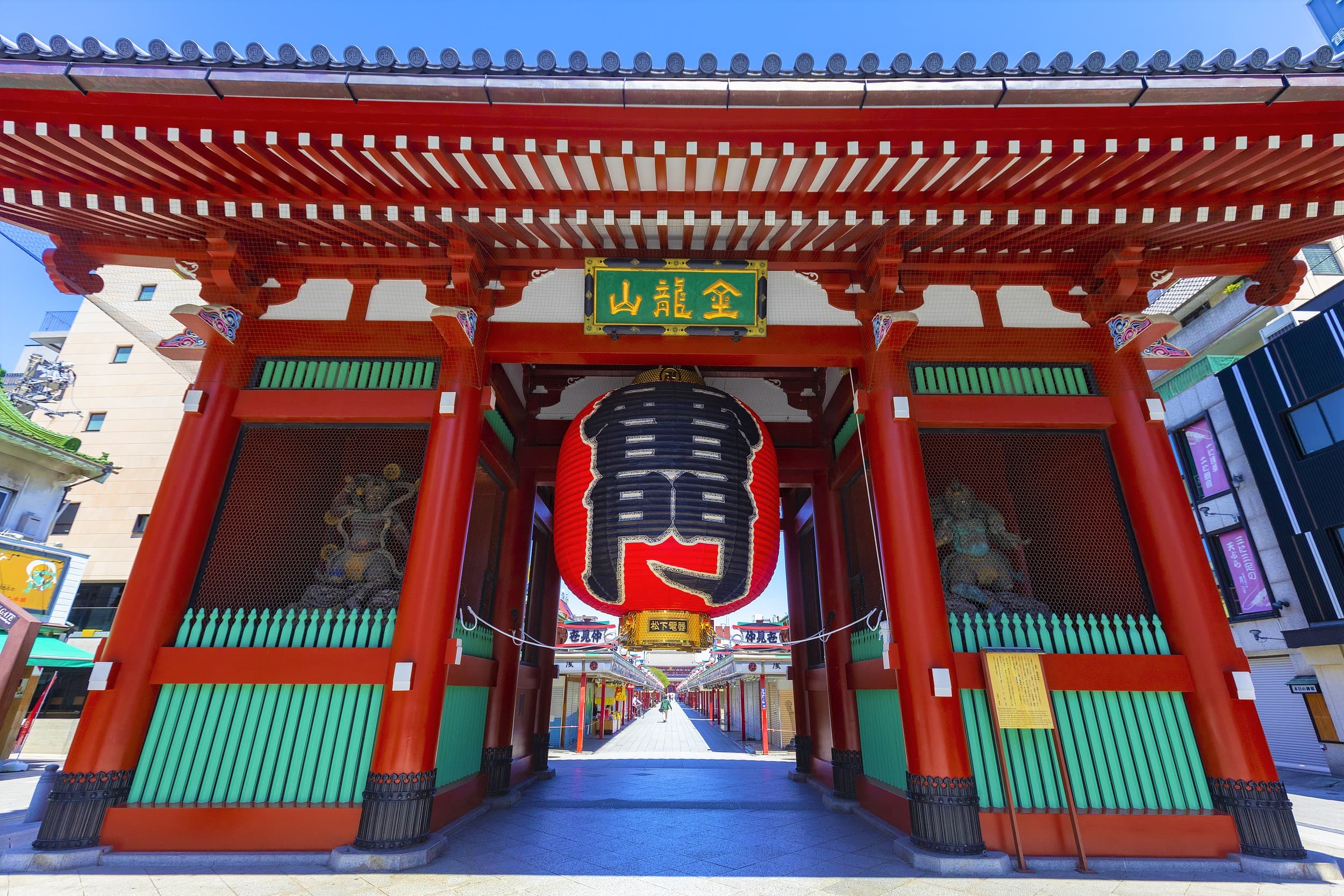
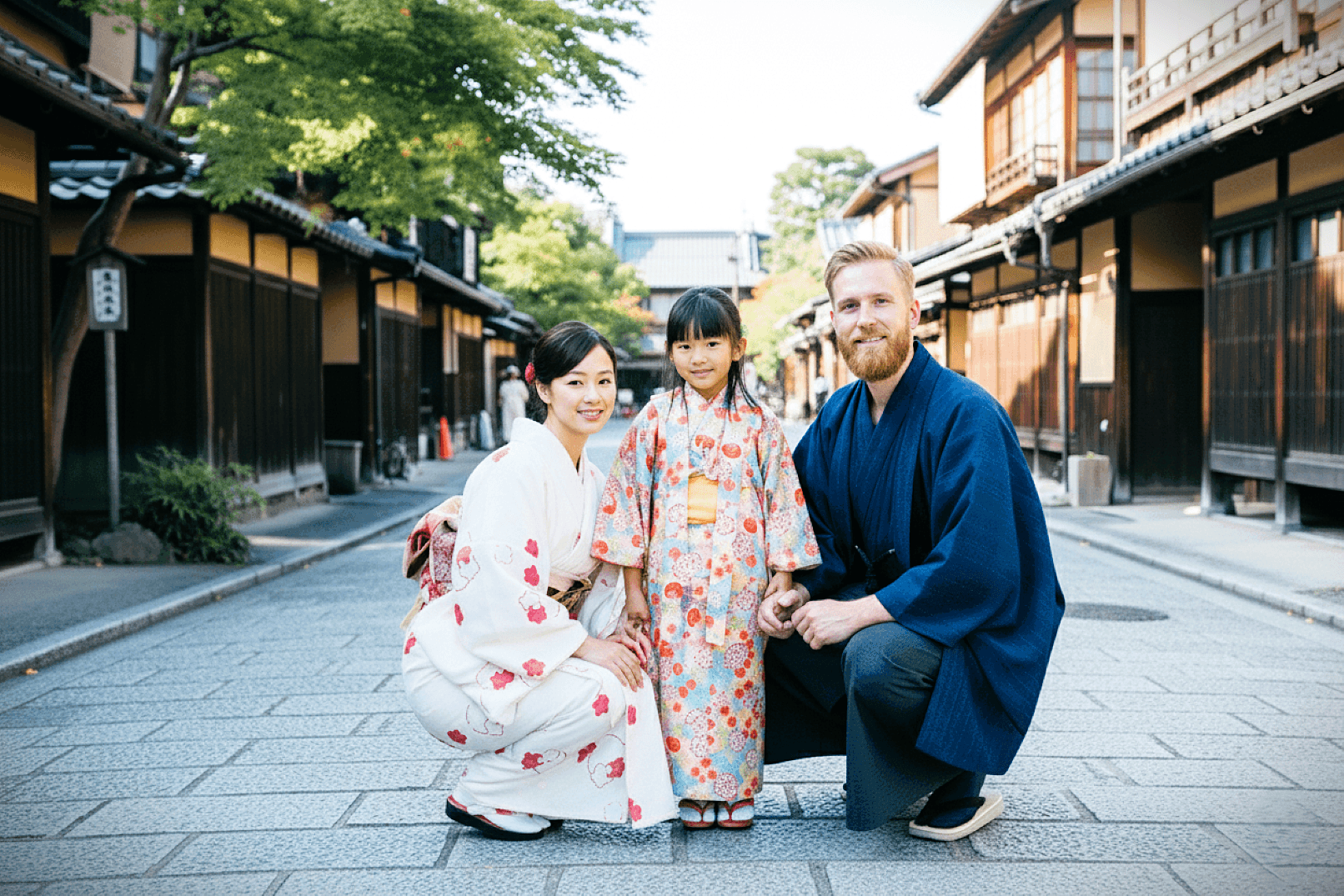
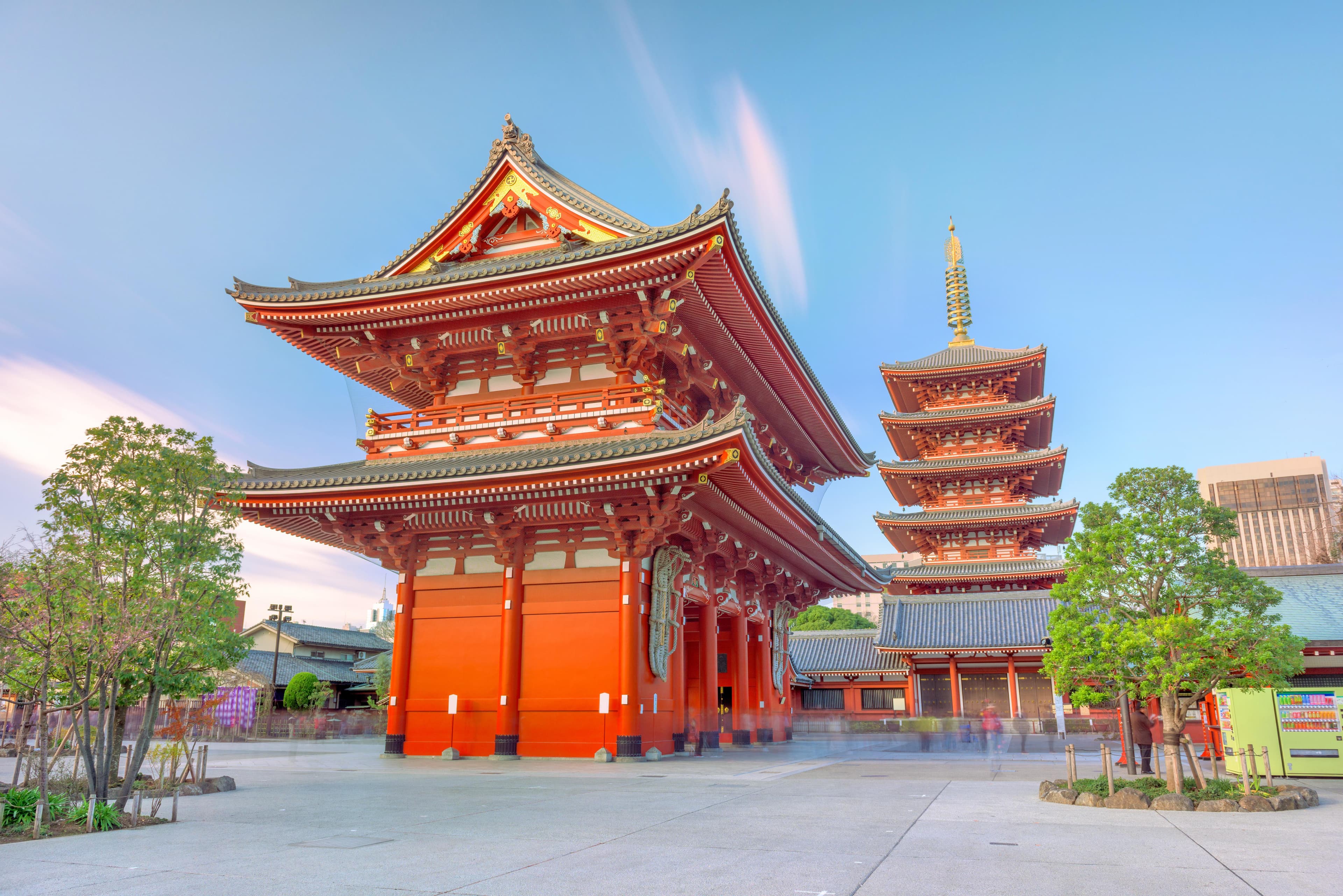
Visitors consistently praise the temple's beautiful architecture, particularly the iconic Kaminarimon (Thunder Gate) and the main hall. Many enjoy the spiritual activities available, such as burning incense for blessings, drawing omikuji (fortune slips), and participating in cleansing rituals. The bustling Nakamise-dori, the shopping street leading to the temple, is a highlight for many, offering a wide array of souvenirs, traditional snacks, and local food. Reviewers frequently mention the unique atmosphere created by people wearing kimonos, adding to the traditional Japanese vibe. The temple complex is also noted for its well-maintained grounds, including a five-story pagoda and peaceful gardens.
To make the most of your visit, aim to arrive early in the morning (before 9 AM) or later in the evening (after 6 PM) to avoid the peak crowds, which many reviewers describe as overwhelming during midday. While the shops on Nakamise-dori open later, an early morning visit allows for a more serene experience of the temple itself and better photo opportunities. Many suggest spending 1-3 hours exploring the entire complex, including the shopping street and side alleys. Don't miss trying local street food like warabimochi, ice cream, and curry croquettes from the stalls. Consider renting a kimono for a more immersive cultural experience, as many visitors do.
Sensō-ji is easily accessible by public transport. Take the Tokyo subway to Asakusa Station. From there, it's just a few minutes' walk to the Kaminarimon Gate. Multiple subway lines serve Asakusa Station, including the Ginza Line, Asakusa Line, and Tobu Skytree Line. Follow the throngs of people from the station, as the temple is a prominent landmark in the area. Driving is generally not recommended due to heavy traffic and limited parking.
The most common complaint among visitors is the sheer volume of people, especially during peak hours, which can detract from the spiritual atmosphere and make photography challenging. To mitigate this, as mentioned, visit early morning or late evening. Some also find the Nakamise-dori market to be overly touristy and commercialized; however, exploring the side alleys can reveal more authentic shops and eateries. While the temple itself is free to enter, be prepared for vendors trying to sell souvenirs and food, which some find distracting.