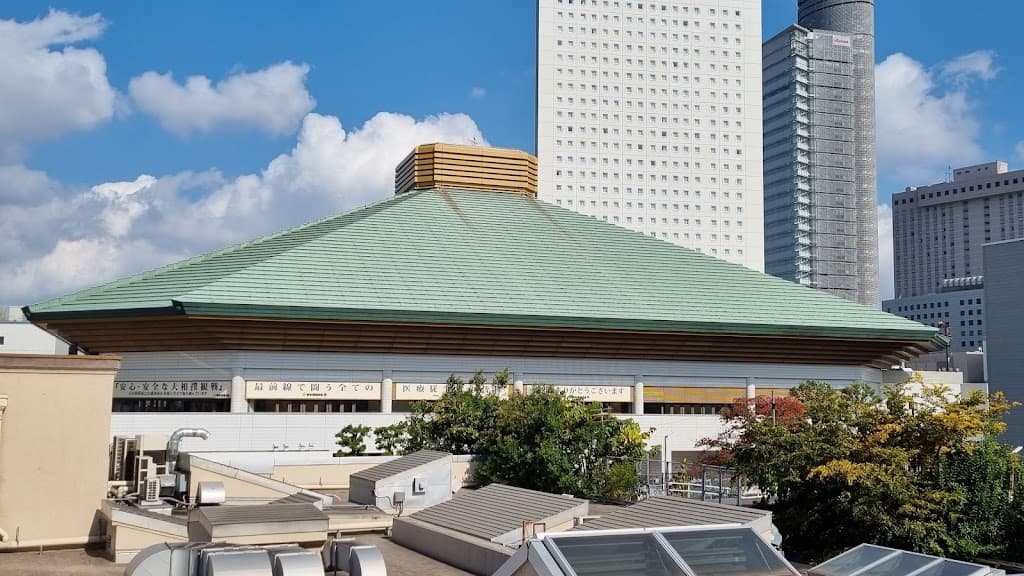
The Ryogoku Kokugikan National Sumo Arena is the spiritual home of sumo wrestling in Japan, a sport deeply intertwined with Japanese culture and tradition. It is here that three of the six annual Grand Sumo Tournaments (basho) are held—in January, May, and September—drawing passionate crowds and showcasing the nation's revered athletes. For visitors, attending a tournament is not merely watching a sport; it's an immersion into a centuries-old ritual, complete with elaborate ceremonies, traditional attire, and a palpable sense of community.
Visitors consistently highlight the unparalleled excitement of witnessing sumo live, describing it as a powerful and authentic cultural experience far surpassing watching on television. Many are captivated by the unique blend of sport, art, and tradition, noting the impressive athleticism of the wrestlers and the lively crowd reactions. The stadium's facilities, including food stalls, souvenir shops, and clean restrooms, generally receive positive remarks. Reviewers frequently mention the availability of English-speaking staff and English programs or radio commentary, which greatly enhance understanding for international guests. The atmosphere is often described as vibrant and engaging, especially during the later matches featuring higher-ranked wrestlers.
To make the most of your visit, it is crucial to plan around the tournament dates, as tickets sell out very quickly. Many recommend purchasing tickets online through official channels or reputable intermediaries well in advance, often months ahead. If tickets are unavailable, a limited number of same-day tickets are sold, but this requires arriving extremely early, sometimes before 6 AM, to queue. Consider arriving in the early afternoon, around 2-3 PM, to catch the rising stars and experience the build-up to the main events, which typically feature the top-ranked wrestlers from 4 PM to 6 PM. Bringing a small cushion or a portable seat is advisable, especially for those with floor seats (masu-seki), as these are traditional tatami mats and can become uncomfortable over several hours. Many visitors also suggest familiarizing yourself with basic sumo rules and rituals beforehand to fully appreciate the action.
The Ryogoku Kokugikan is conveniently located just meters from Ryogoku Station, making it easily accessible by train. The JR Chuo-Sobu Line and the Toei Oedo Line both serve Ryogoku Station. Upon exiting the station, the arena is a very short walk away, often visible from the station exit. The area around the arena, Ryogoku, is also known for its many chanko nabe (sumo stew) restaurants, which visitors often enjoy before or after the matches. Parking is limited, so public transport is highly recommended.
A common complaint among visitors is the difficulty in securing tickets, especially for popular tournament days. The traditional masu-seki (box seats) on the ground floor, while offering an authentic experience, are often cited as uncomfortable due to their small size and tatami seating. To mitigate this, consider booking chair seats on the second level, which offer good views and more comfort. Some visitors also note that the early matches can be less exciting; if your time is limited, focus on the afternoon sessions. Be aware that food and drinks inside the arena, while plentiful, are typical stadium fare and can be pricey. Bringing your own snacks is generally not permitted, but many enjoy the variety offered within the venue.