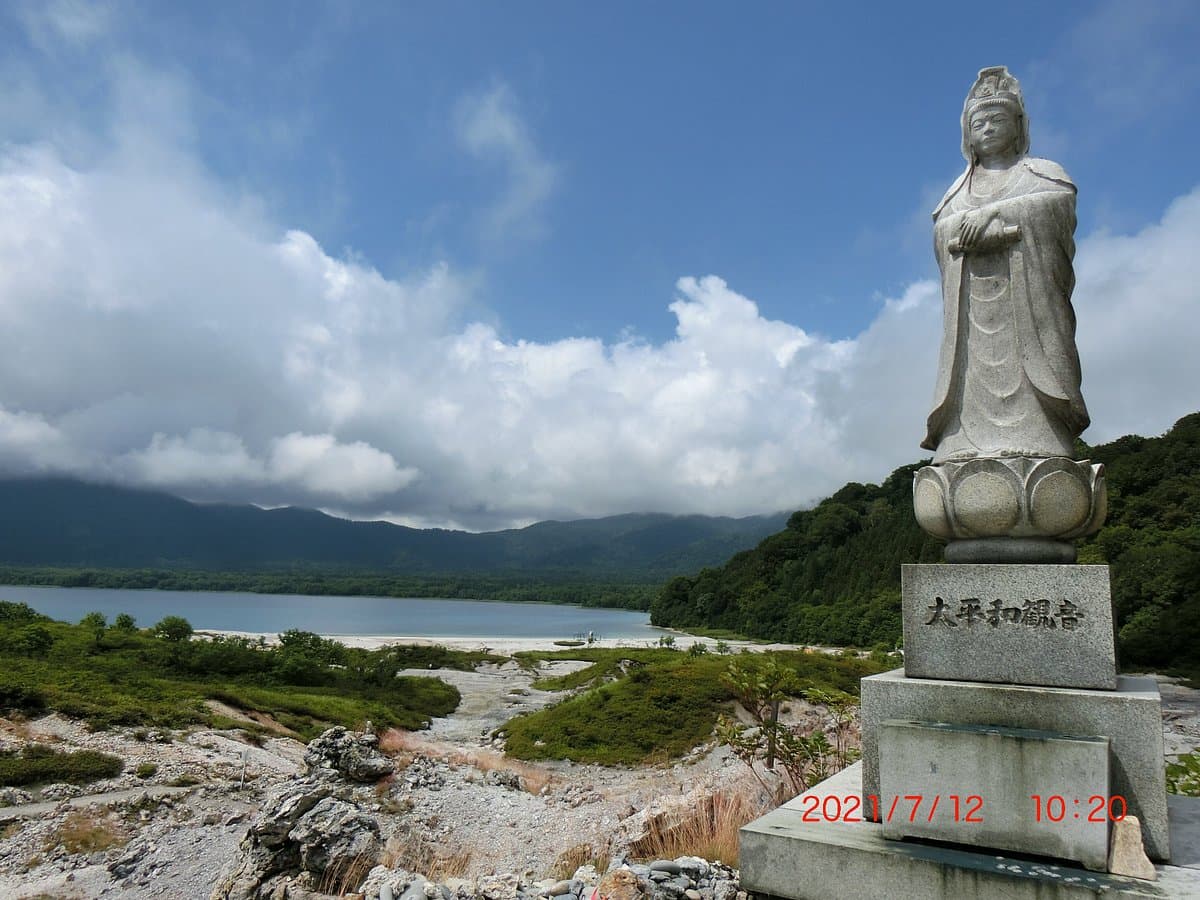
Mount Osore, or Osorezan, is a volcanic caldera in Aomori Prefecture, renowned for its otherworldly landscape that mirrors Buddhist descriptions of the afterlife. Often referred to as 'Fear Mountain,' it features eight surrounding peaks, sulfurous ponds, and a river, Sanzu no Kawa, believed to be the passage for souls to the next world. This unique geological setting, combined with its profound spiritual significance, makes it a compelling destination for those seeking a deeper understanding of Japanese culture and spirituality.
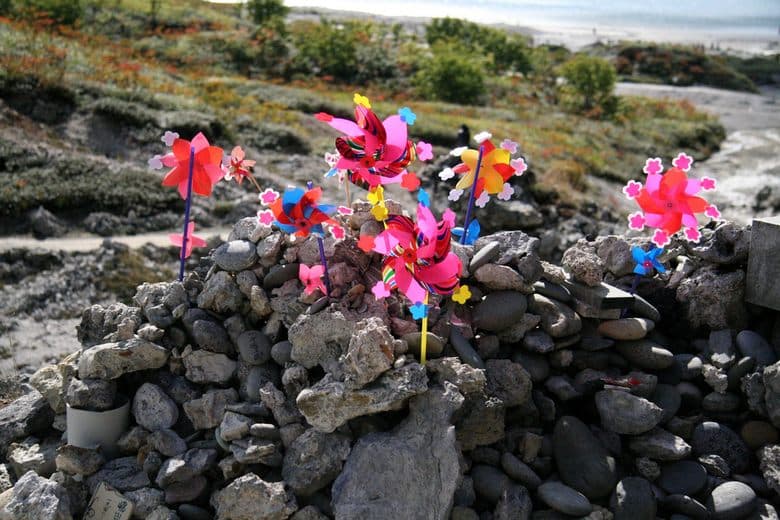
Visitors consistently describe the site as both eerie and beautiful, with the strong smell of sulfur adding to the atmospheric experience. Many reviewers note the poignant memorials, particularly the numerous pinwheels and offerings left for deceased children, which create a deeply moving atmosphere. The presence of mediums (Itako) during the annual festival in late July is a significant draw for some, offering a unique cultural insight into communication with the deceased. However, some visitors find the morbid themes and the strong sulfur smell to be overwhelming, advising those sensitive to such environments to prepare accordingly.
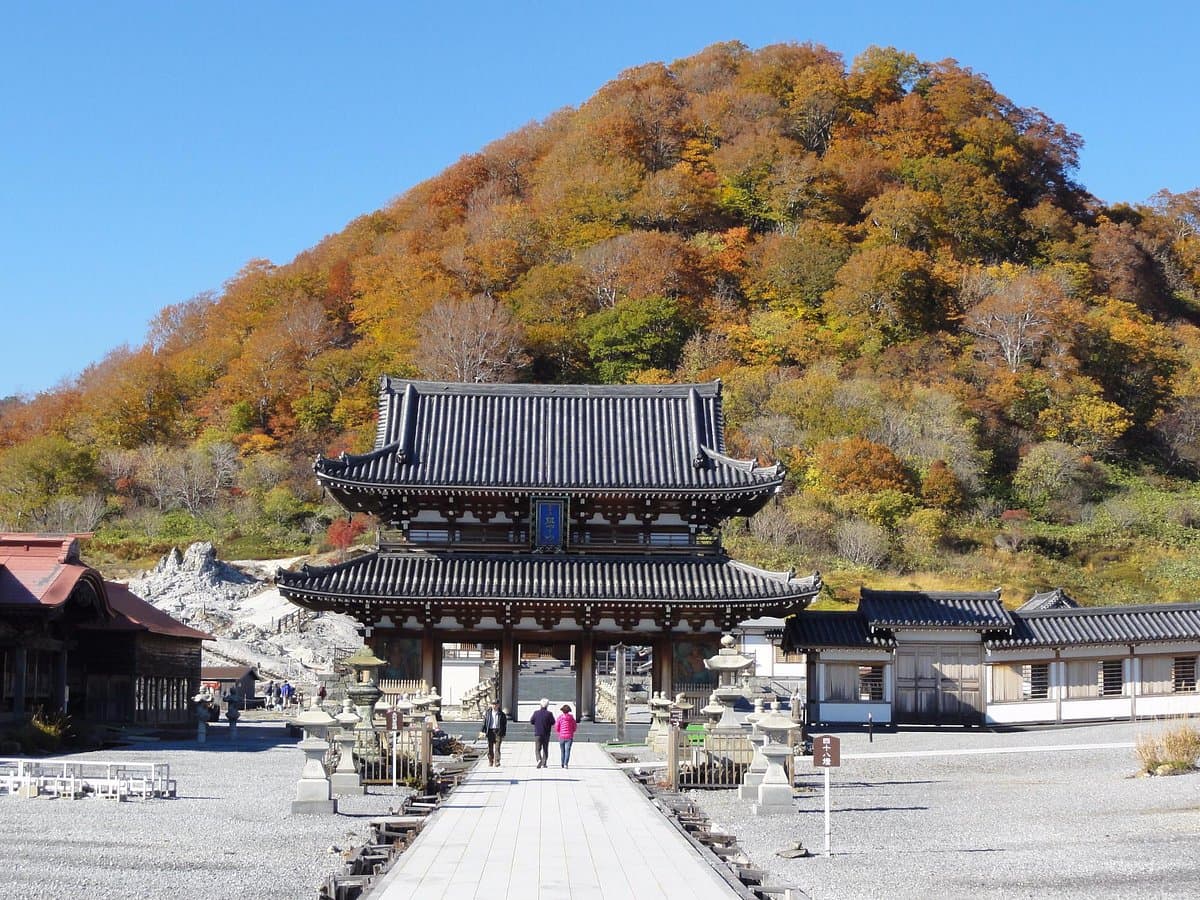
To fully appreciate Mount Osore, visitors should allocate at least 2-3 hours to explore the grounds, including the temple and the various walking paths around the volcanic features. Bringing comfortable walking shoes is essential, as the terrain can be uneven. It's advisable to visit during the warmer months, as the temple and bus services are closed from November through April. Consider bringing a handkerchief or mask if sensitive to strong odors. While the site is popular with locals, it generally doesn't feel overly crowded outside of festival times, allowing for a contemplative experience.
Access to Mount Osore is primarily by bus. Four to five buses operate daily between Shimokita Station, Mutsu Bus Terminal, and Osorezan. The one-way journey from Shimokita Station takes approximately 45 minutes and costs 750 yen. It is crucial to note that bus services do not operate from November through April, coinciding with the temple's closure. Therefore, planning your visit within the operational months is essential. Driving is another option, with parking available on site, offering more flexibility for those with their own transport.
A common complaint among visitors is the strong, pervasive sulfur smell, which can be unpleasant for some. To mitigate this, consider bringing a scarf or mask to cover your nose and mouth. Additionally, the remote location means limited food and drink options on site, so it's wise to bring your own snacks and water, especially if planning a longer visit. The closure during winter months also means careful planning is required to avoid disappointment.