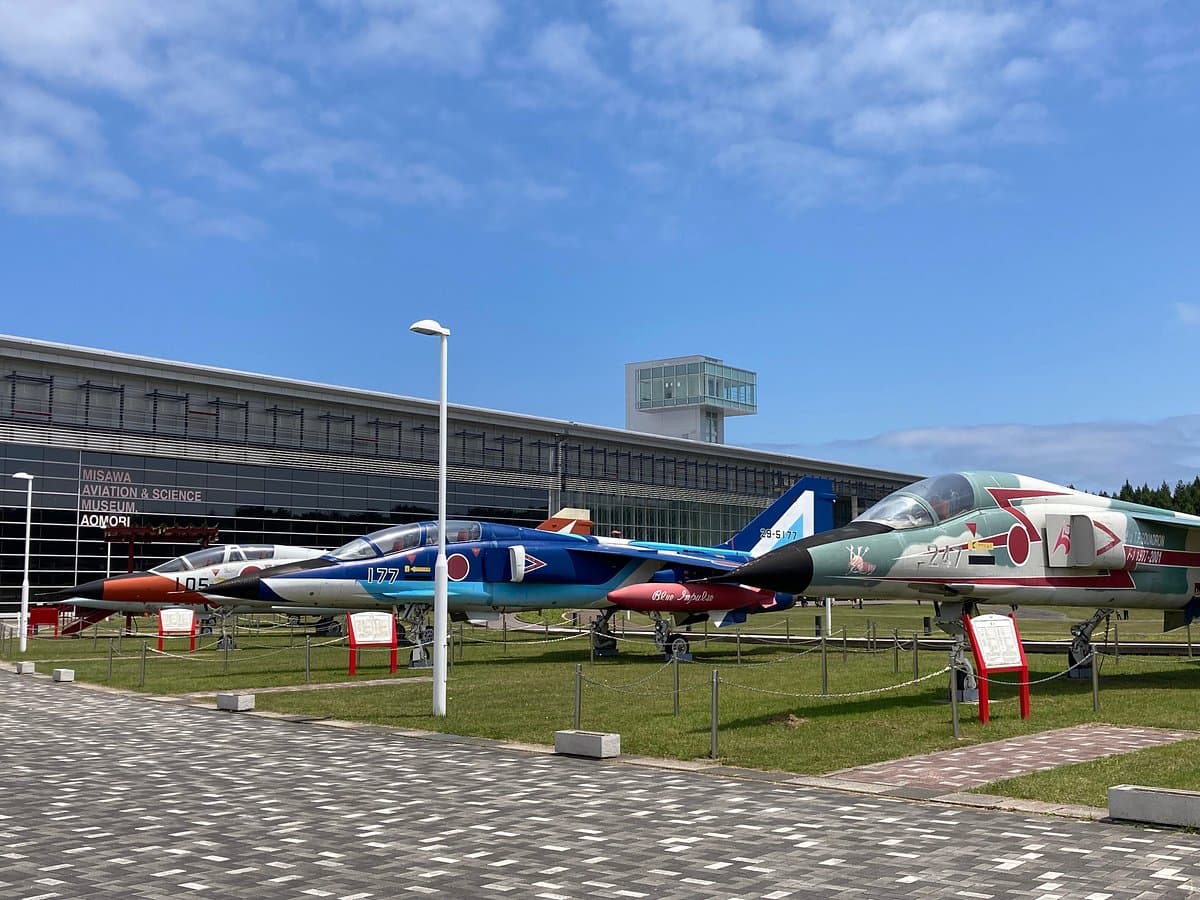
The Misawa Aviation & Science Museum is a significant regional institution dedicated to the history of aviation in Misawa and the broader principles of science. It stands out for its comprehensive approach, blending historical aircraft displays with interactive scientific exhibits, making it more than just a traditional museum. Its location near Misawa Airport underscores its connection to the area's rich aviation heritage.
Visitors frequently highlight the museum's family-friendly nature and the abundance of hands-on activities. Many reviewers, including those with young children, found the interactive exhibits, flight simulators, and the ability to sit inside actual airplane cabins particularly engaging. The presence of unique aircraft like the HondaJet and the nostalgic YS-11, alongside a replica of the Miss Veedol, captivates aviation fans. Reviewers also appreciate the museum's spaciousness and the fact that many exhibits have English explanations, despite the museum being primarily in Japanese. The outdoor aircraft park, featuring military and civil aircraft, including a P-3 Orion, is another major draw, often enjoyed even by those who don't enter the main museum.
To make the most of your visit, plan to spend at least 2 to 3 hours, as many visitors report not seeing everything in less time. The museum is particularly recommended for rainy or snowy days, offering an excellent indoor alternative. For families, purchasing the "passport" (annual pass) is suggested by some local visitors if you plan multiple visits. Reviewers consistently praise the reasonable admission fees, especially considering the extensive offerings. Bringing a picnic is a good idea if the weather is nice, as there's a pleasant outdoor area for relaxation.
The museum is located a few kilometers northeast of Misawa Station, approximately a 10-minute drive away. Several reviewers mention the availability of a free shuttle bus, making it accessible even without a car. For those driving, the museum is close to Misawa Airport, and parking is generally not an issue. Checking the shuttle bus schedule in advance is advisable for public transport users.
While most reviews are overwhelmingly positive, a common observation is that some exhibits are primarily in Japanese. However, many visitors note that the interactive nature of the displays and the helpful staff, even with limited English, mitigate this issue. Focusing on the hands-on activities and visual displays can still provide a rich experience even without full comprehension of all text.