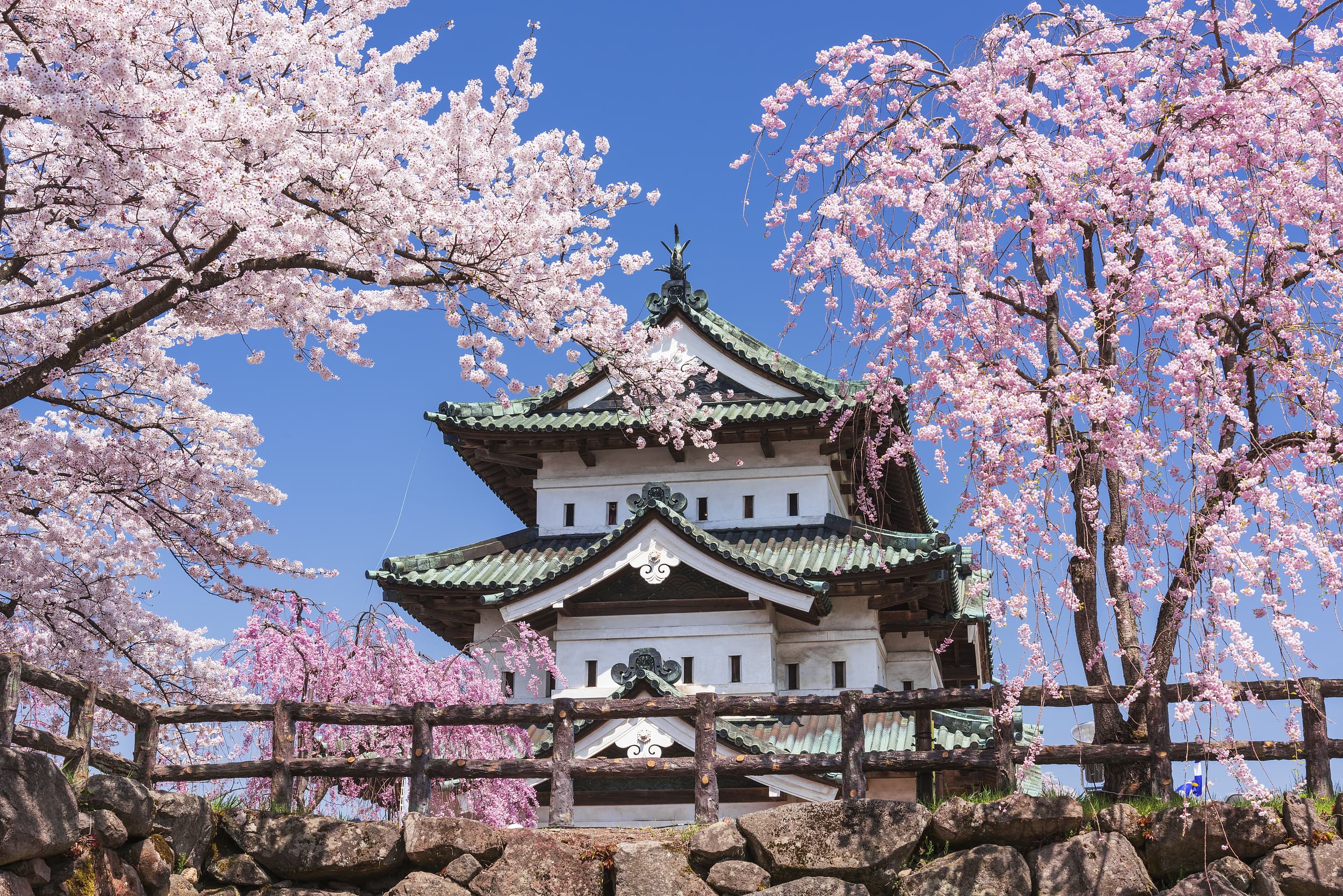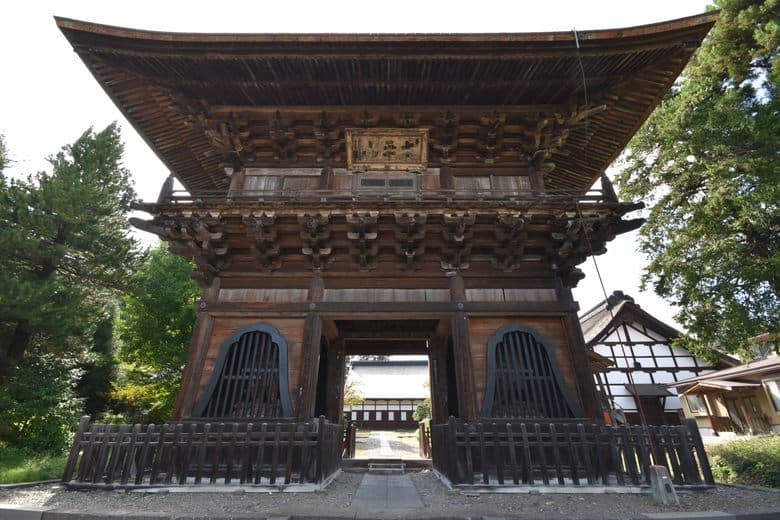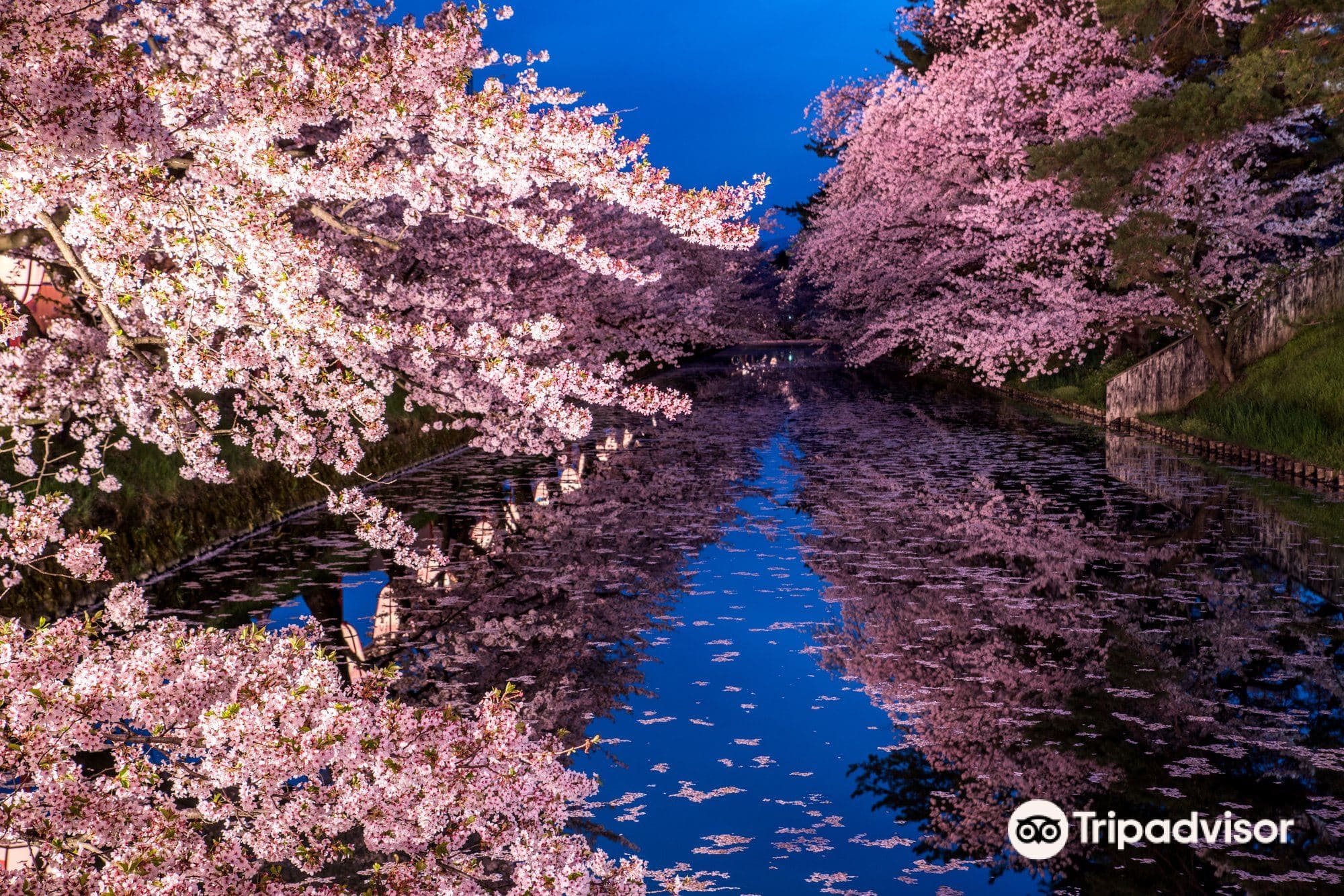
Hirosaki Park is a historically significant site, centered around Hirosaki Castle, one of Japan's 12 original surviving feudal castles and the northernmost among them. While the current keep was rebuilt in 1810 after a fire, its design cleverly disguised its true purpose to avoid shogunate persecution, making it a fascinating example of historical ingenuity. The park itself is celebrated for its expansive grounds, beautiful moats, and especially its spectacular cherry blossom displays, drawing visitors from across Japan and beyond.
Visitors consistently praise the park's natural beauty, highlighting the stunning cherry blossoms in spring, vibrant autumn foliage, and serene snowscapes in winter. Many appreciate the opportunity to explore the castle's interior, despite its smaller size compared to other Japanese castles, and learn about its unique history, including the ongoing stone wall repairs and the temporary relocation of the keep. The extensive grounds and botanical gardens are frequently mentioned as ideal for leisurely strolls, offering picturesque views and photo opportunities, particularly with Mt. Iwaki in the background. Reviewers also enjoy the various festivals held throughout the year, such as the Chrysanthemum and Autumn Colors Festival and the Snow Lantern Festival.
For a fulfilling visit, allocate at least 2-3 hours, or half a day if you plan to explore the botanical gardens and Fujita Memorial Garden. The best time to visit is undoubtedly during the cherry blossom season (late April to early May) for the iconic 'flower rafts' on the moats, or in autumn for the vibrant leaves. Winter offers a less crowded, serene experience with snow-covered landscapes and the Snow Lantern Festival. Consider purchasing a common pass that includes the castle tower, botanical gardens, and Fujita Memorial Garden for better value. Be aware that the castle's interior stairs are steep. If visiting in summer, be prepared for heat and humidity.
Hirosaki Park is conveniently located about a 30-minute walk from Hirosaki Station. For those preferring not to walk, local buses are available. If driving, be aware that parking can be some distance away and may involve a slight uphill walk to the park entrance. The ongoing stone wall repairs mean that the castle keep is temporarily relocated, and some bridges might be under restoration, requiring detours. Information about these changes is usually well-posted on-site.
A common complaint among visitors is the castle's relatively small size and the somewhat empty interior, especially for those expecting a grander structure like Himeji Castle. The steel support beams inside, due to the relocation, can also detract from the sense of authenticity. To mitigate this, manage your expectations by understanding that Hirosaki Castle's significance lies more in its unique history, the ingenuity of its construction, and its role as the centerpiece of a magnificent park, rather than its imposing scale or artifact-filled interior. Focus on the overall experience of the park, the historical context, and the seasonal beauty rather than solely on the castle's dimensions.