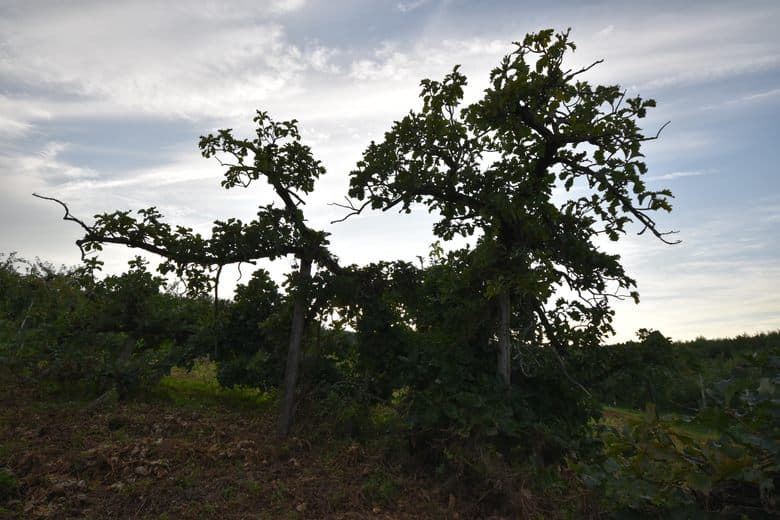
The Demon Oak Tree of Onizawa, known locally as Kishin-koshikake-gashiwa, is a venerable 700-year-old daimyo oak located north of central Hirosaki. This ancient tree is central to a captivating local legend about a rice farmer named Yajuro and a friendly Oni (Japanese demon) from Mount Iwaki. The Oni, after helping Yajuro construct a canal, is said to have rested on this very tree, making it a significant cultural landmark for the former village of Onizawa.
Visitors to the Demon Oak Tree often describe it as a peaceful and somewhat secluded spot, offering a unique connection to Japanese folklore. Reviewers appreciate the quiet atmosphere and the sense of history emanating from the ancient tree. Many find the accompanying small shrine and the story behind the tree to be charming and an interesting deviation from more common tourist attractions. The tree's age and its role in a local legend, particularly the unique Setsubun tradition where villagers refrain from throwing soybeans out of respect for the Oni, are frequently highlighted as compelling aspects.
For those planning a visit, a short stop of 15-30 minutes is usually sufficient to appreciate the tree and its shrine. It's best visited during daylight hours, and as it's an outdoor site, comfortable walking shoes are advisable. There are no facilities directly at the site, so visitors should plan accordingly. This attraction is free to visit, making it an accessible cultural experience.
The Demon Oak Tree is located north of central Hirosaki. While specific public transport details are not widely available in reviews, visitors typically reach this area by car or taxi, as it is situated in what was once a village outside the main city. It is advisable to use a navigation app for precise directions. Parking is generally informal, with space available along the roadside in the vicinity of the tree.
Common complaints are rare, but some visitors might find the site less impactful if they are not familiar with or interested in Japanese folklore, as its primary appeal lies in its historical and legendary significance rather than grand visual spectacle. To mitigate this, it's recommended to read up on the legend of the Oni and Yajuro before visiting to fully appreciate the context.