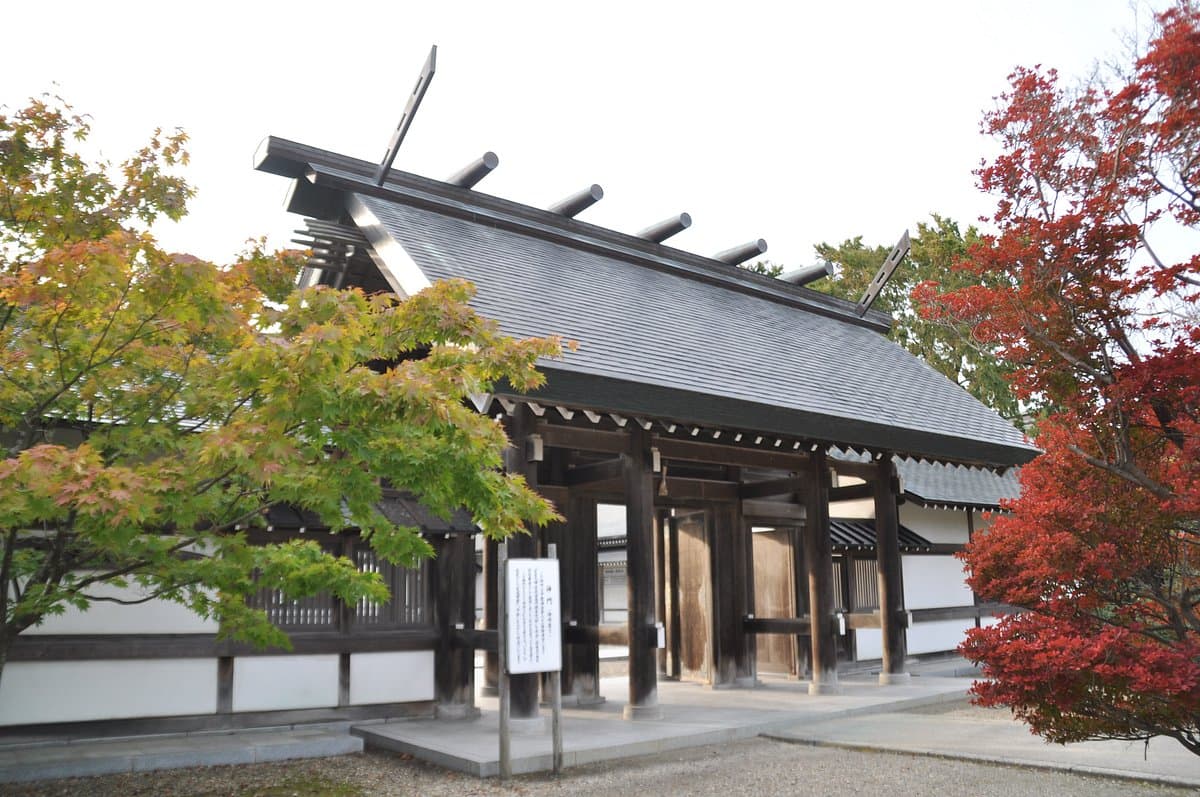
The Ruins of Akita Castle, known locally as Akita-jo, represent a significant historical site from 8th-century Japan. While not a traditional castle in the later sense, it was an important walled fort and bureaucratic center. The site offers a tranquil atmosphere, contrasting with the bustling modern city of Akita, and provides a window into the region's ancient past.
Visitors consistently praise the peaceful ambiance and the opportunity to step back in time. The highlight for many is the reconstructed castle fence and a stretch of wall, which give a sense of the fort's original scale. A unique and often-mentioned feature is the restored ancient flush toilet, which some reviewers found particularly interesting. The surrounding area, including a nearby shrine, is also noted for its pleasant landscaping and gardens, enhancing the overall experience.
However, some visitors note that there is not much of the original structure left, which can be disappointing for those expecting extensive ruins. To make the most of your visit, allocate about 1-2 hours. Reviewers suggest that the site might be more visually appealing during autumn for its foliage or in spring when flowers are in bloom. Consider combining your visit with the nearby shrine, which many find equally, if not more, engaging. Bringing water, especially on hot days, is advisable as the walk can be extensive.
The site is accessible by bus, with excellent directions often available from the railway station tourist information. While some visitors choose to walk, be aware that it can be a long and hot journey, especially during warmer months. Calling a taxi or using public transport is recommended to avoid a strenuous walk. The address is 4-1 Terauchi Ohata, Akita, Akita Prefecture.
The primary complaint revolves around the limited remaining structures. To mitigate this, adjust your expectations and focus on the historical significance and the peaceful environment rather than expecting a grand, intact castle. Engaging with the interpretive signs and understanding the site's role as an ancient fort rather than a medieval castle can also enhance appreciation.