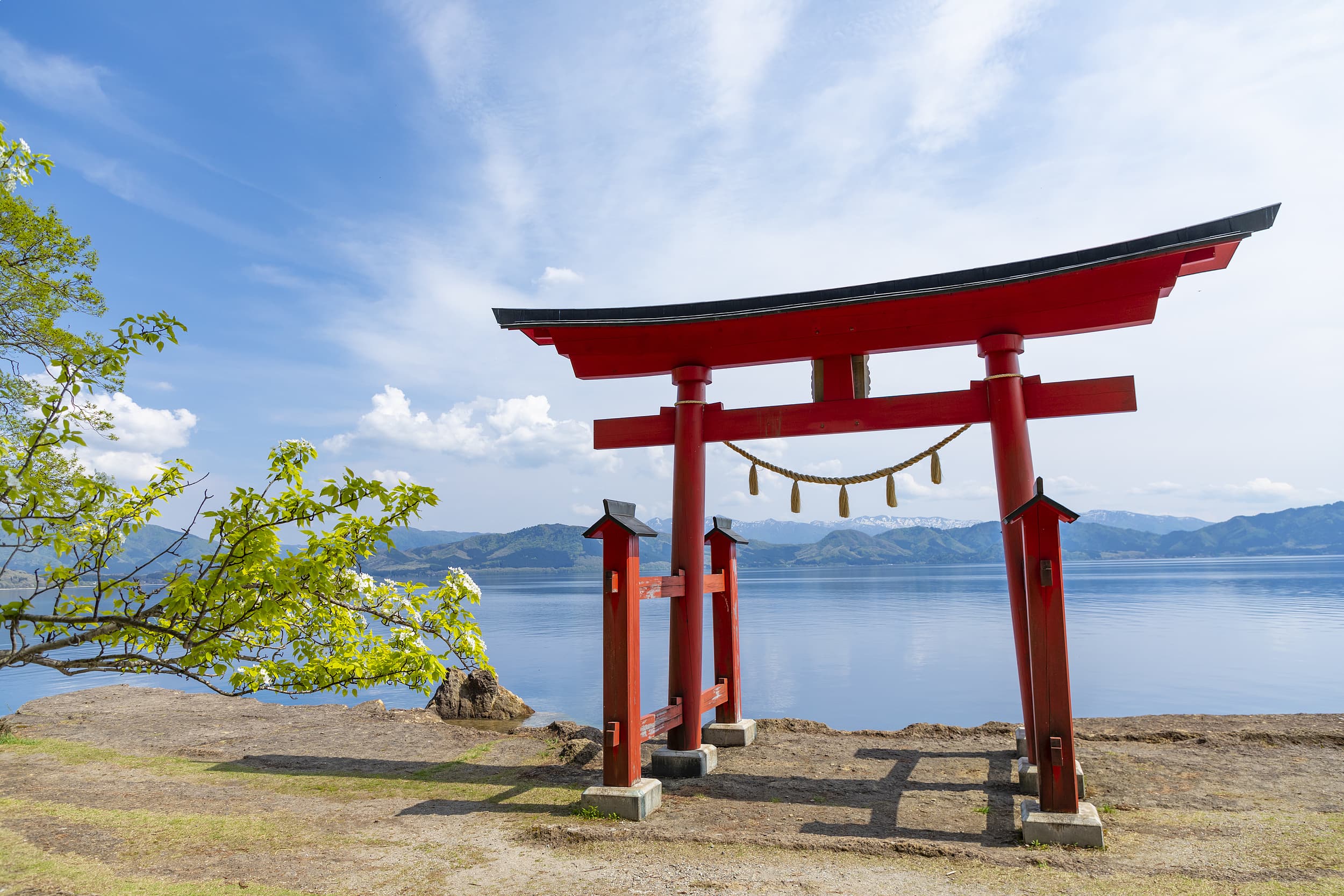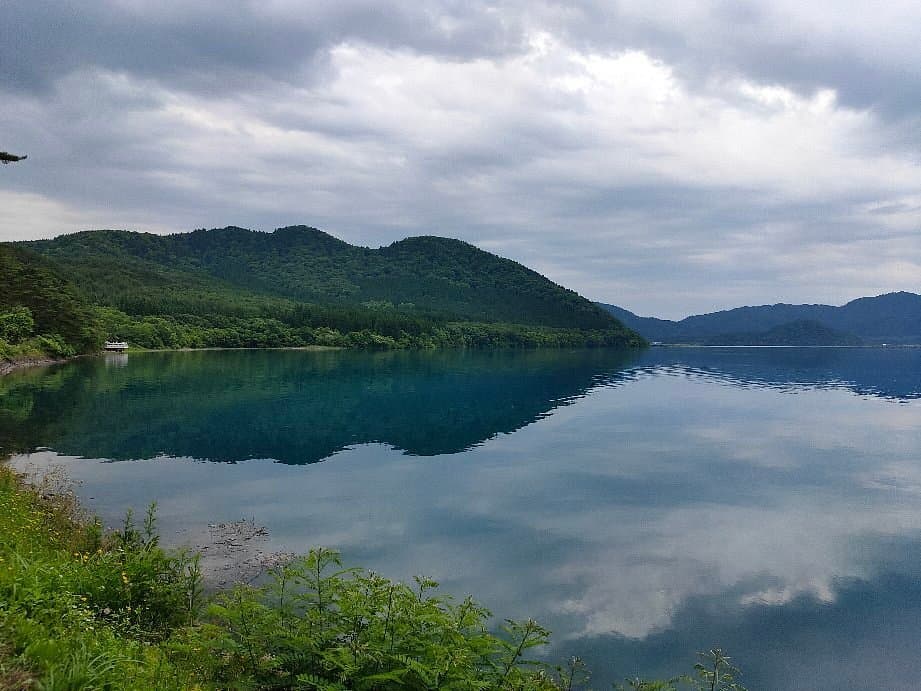
Lake Tazawa is renowned as Japan's deepest lake, a caldera lake distinguished by its striking indigo-blue waters and pristine clarity. It holds significant natural importance in the Akita Prefecture, offering a tranquil escape and a picturesque landscape that changes beautifully with the seasons, from vibrant autumn leaves to snow-capped peaks in winter.
Visitors consistently praise the lake's stunning beauty and peaceful ambiance. Many highlight the incredibly clear, deep blue water, often described as mesmerizing. The drive or bus ride around the lake is a popular activity, with reviewers noting numerous scenic viewpoints and photo opportunities. Cycling around the lake is also highly recommended by those seeking an active way to experience its beauty, often citing the lack of crowds and fresh air. While the golden Tatsuko statue is a landmark, some visitors find it less impressive in person than in photos, suggesting the lake's natural scenery is the main draw.
For a fulfilling visit, allocate at least 2-3 hours, or half a day if you plan to cycle or take a boat trip. The best times to visit are during spring, summer, or autumn, when the weather allows for outdoor activities and the scenery is most vibrant. Early mornings are often quietest, offering the most serene experience. Bring comfortable shoes if you plan to walk, and consider layers of clothing as the weather can change quickly, especially in spring and autumn. While there are some shops and cafes, options can be limited, so bringing your own snacks and drinks is advisable.
Getting to Lake Tazawa involves a combination of train and bus. The nearest Shinkansen (bullet train) station is Tazawako Station. From there, local buses provide transport to the lake. Reviewers note that bus services can be infrequent (some mention only 5 times a day), so checking the timetable in advance is crucial. A round-the-lake bus service is available, which stops at major attractions like the Tatsuko statue and Gozaishi Shrine, costing around 1,000-2,100 JPY depending on the route. Taxis are an option but can be expensive (around 5,000 JPY from the station to the lakeside). Many visitors recommend renting a car for greater flexibility, especially for exploring the various viewpoints around the 20km circumference. Parking is generally available at key stopping points.
A common complaint is the limited number of activities directly at the lake, beyond sightseeing and photography. Some visitors feel there isn't much to do besides viewing the statue and shrines. To mitigate this, consider renting a bicycle for a more immersive experience, taking a boat tour, or combining your visit with nearby attractions like Nyuto Onsenkyo hot springs. Be prepared for potentially limited food and drink options, especially during off-peak seasons, and plan accordingly.