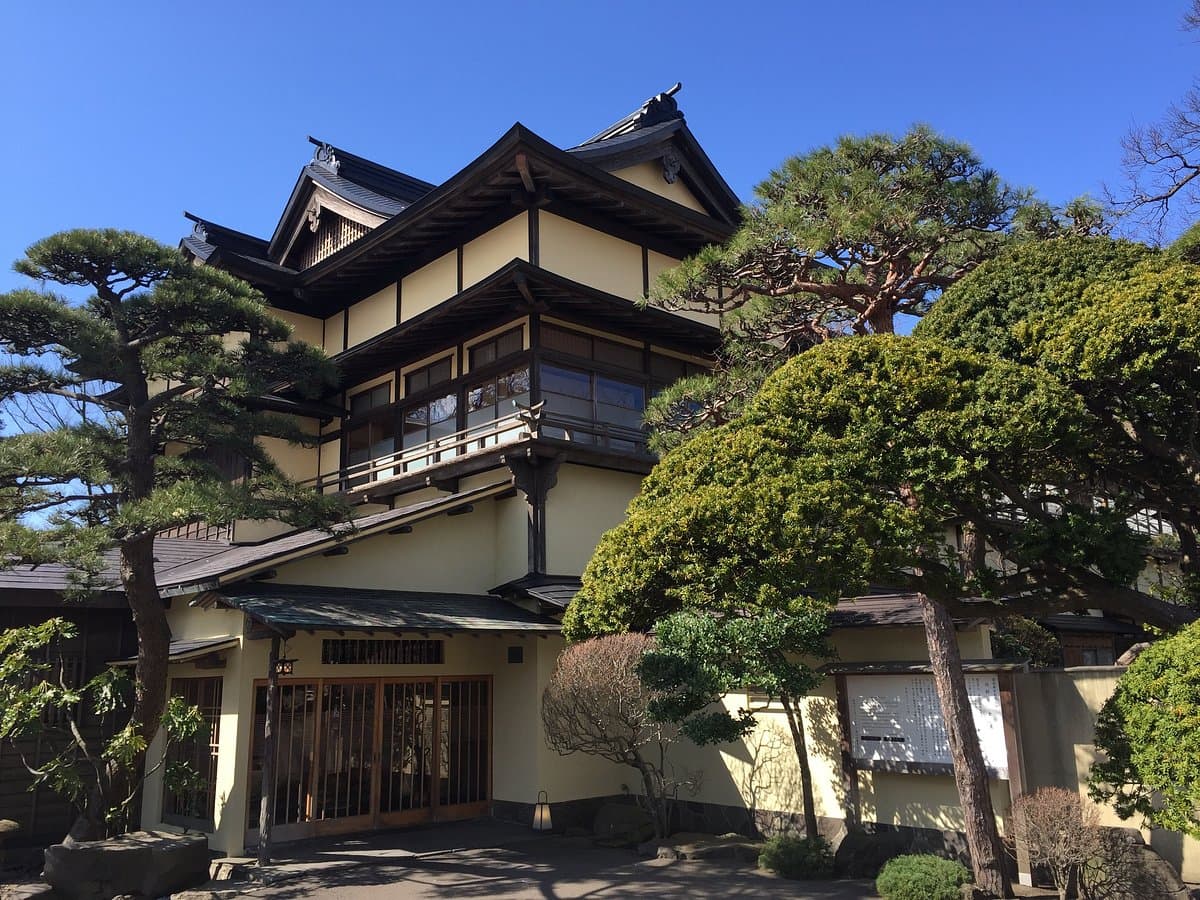
Kaneyu is a historically significant cultural property in Noshiro, Akita Prefecture, originally serving as an upscale restaurant and social gathering place for the region's wealthy during the peak of the rice and lumber industries a century ago. Today, it stands as a testament to that era, offering visitors a window into traditional Japanese architecture and the local history of prosperity.
Visitors consistently praise the well-preserved traditional Japanese-style building, noting its construction from 200-year-old cedar. Many appreciate the detailed explanations provided by guides, which delve into the history of Kaneyu and broader Japanese culture and traditions. The availability of English explanations is a significant plus for international visitors. The gardens are also frequently mentioned as being well-maintained and contributing to the overall serene atmosphere.
To make the most of your visit, plan to spend approximately 1 to 2 hours exploring the building and grounds. It's advisable to visit during daylight hours to fully appreciate the architectural details and gardens. Some visitors have raised minor concerns about the cleanliness of the attire provided, such as yukata, suggesting it might be prudent to wear comfortable clothing that you are happy to keep on, or to bring your own if you are particular. While the building itself is in great condition, being prepared for a traditional setting, which might include removing shoes, is recommended.
Kaneyu is located at 13-8 Yanagimachi, Noshiro, Akita Prefecture. Specific public transport details are not widely available in reviews, but Noshiro is accessible by train. From Noshiro Station, local buses or taxis would likely be the most convenient options to reach Yanagimachi. Driving is also an option, though parking availability should be confirmed locally.
A minor complaint noted by one visitor concerned the cleanliness of the provided attire. While this seems to be an isolated comment, visitors who are sensitive to such issues might consider wearing their own comfortable clothing instead of using the provided yukata, or inquire about the cleaning practices upon arrival.