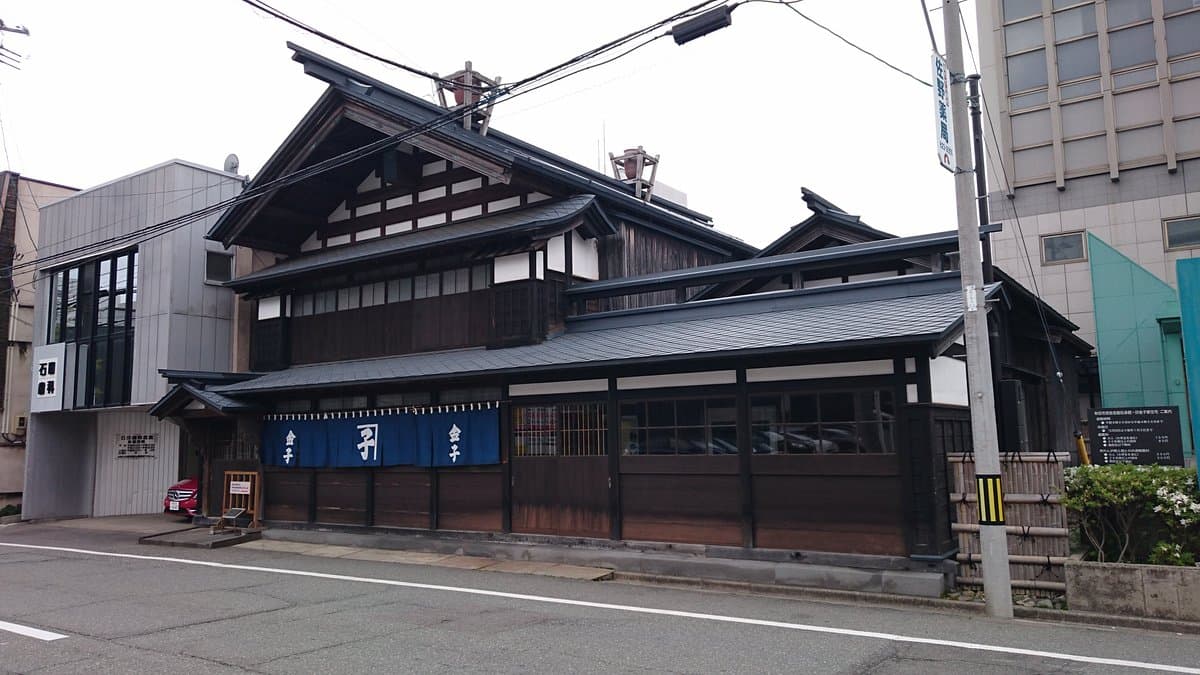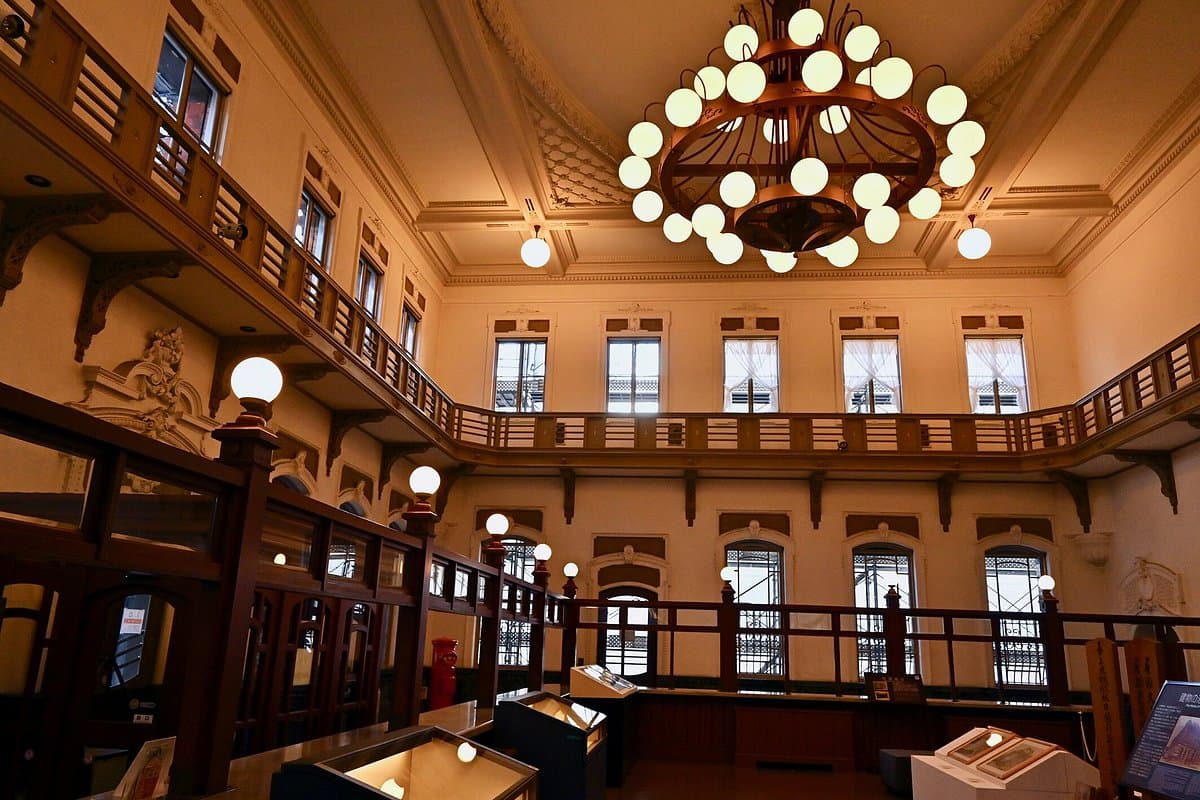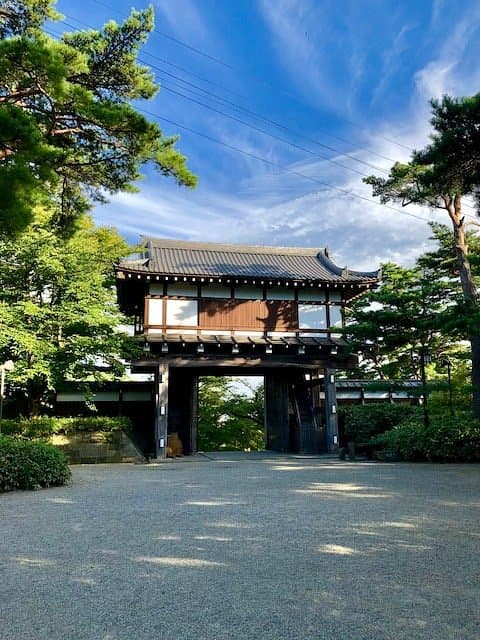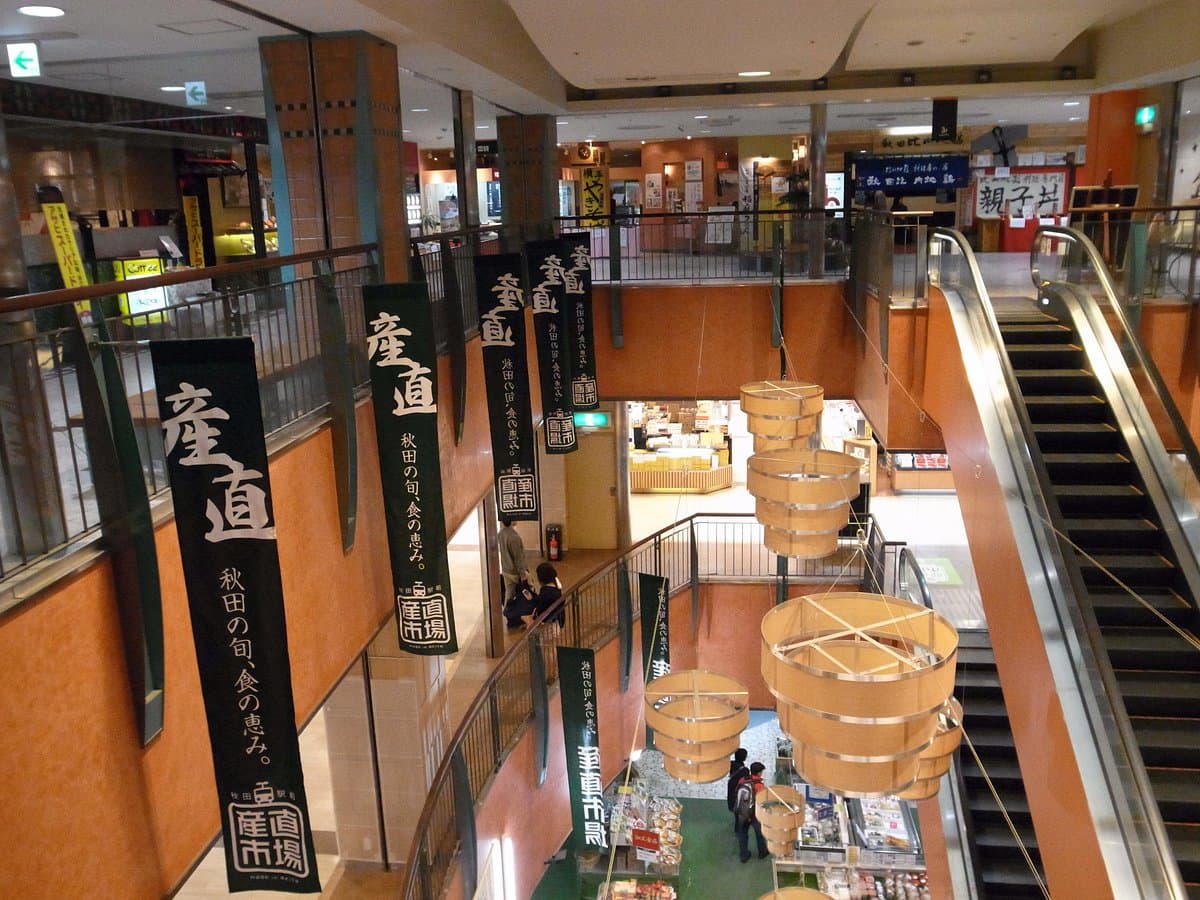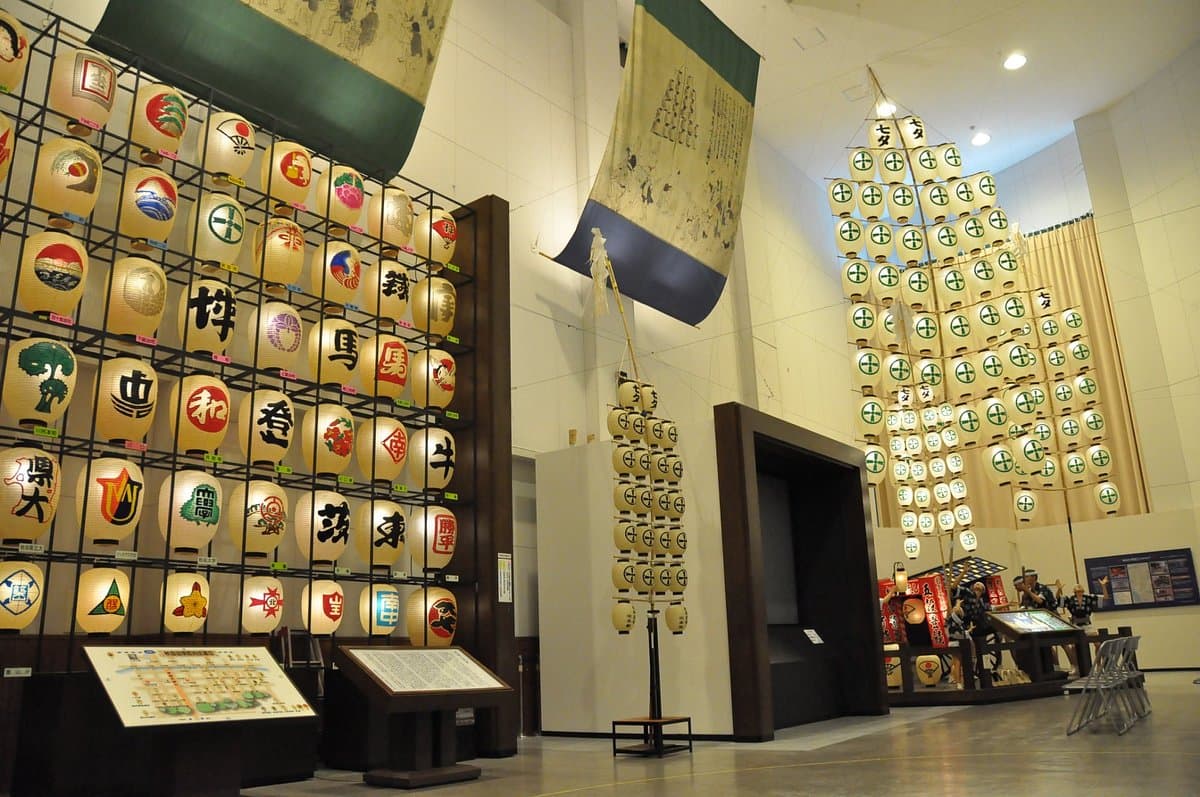
The Akita City Minzoku Geinou Densho-kan, often referred to as the Neburi Nagashikan, serves as a dedicated museum to Akita's nationally designated Important Intangible Folk Cultural Property: the Kanto Festival. This institution preserves and showcases the intricate art and cultural significance of the Kanto lantern poles, offering a year-round opportunity to experience a festival that typically occurs only once a year.
Visitors consistently praise the museum for its interactive elements and the sheer scale of the Kanto poles. Many reviewers highlight the opportunity to try balancing smaller lantern poles, often dressed in traditional happi coats, as a fun and memorable experience. The demonstrations by professionals, sometimes performed by students from Akita International University, are frequently mentioned as a highlight, providing insight into the skill required to handle the massive poles. Even those who missed the actual festival found this museum to be an excellent substitute, offering a comprehensive understanding of the event through displays, videos, and hands-on activities. The friendly and helpful staff, often volunteers from the local Kanto society, also receive positive remarks for enhancing the visitor experience.
To make the most of your visit, plan to spend about 1 to 1.5 hours exploring the three floors. While there isn't extensive English signage, the visual displays and the interactive elements are largely self-explanatory, and the demonstrations transcend language barriers. Consider combining your visit with the nearby Akita Akarenga Museum for a discounted ticket. Reviewers suggest that this museum is particularly enjoyable on a rainy day, offering an engaging indoor activity. Don't forget that many attractions in Akita, including this one, close by 4:30 PM, so plan your arrival accordingly.
The museum is conveniently located in the city. Several visitors mention taking the No. 10 "Gururu" round trip city bus from Akita Station bus terminal, which costs around 90 JPY per ride and runs every 20 minutes. The journey is short, making it easily accessible via public transport. Some reviewers also noted free parking available directly in front of the hall for those arriving by car.
A common observation is the limited amount of English information. While this might be a minor inconvenience for some, the visual nature of the exhibits and the hands-on activities still allow for a rich experience. To mitigate this, consider using a translation app for specific texts or simply immerse yourself in the visual and interactive aspects, which many visitors found engaging regardless of language.