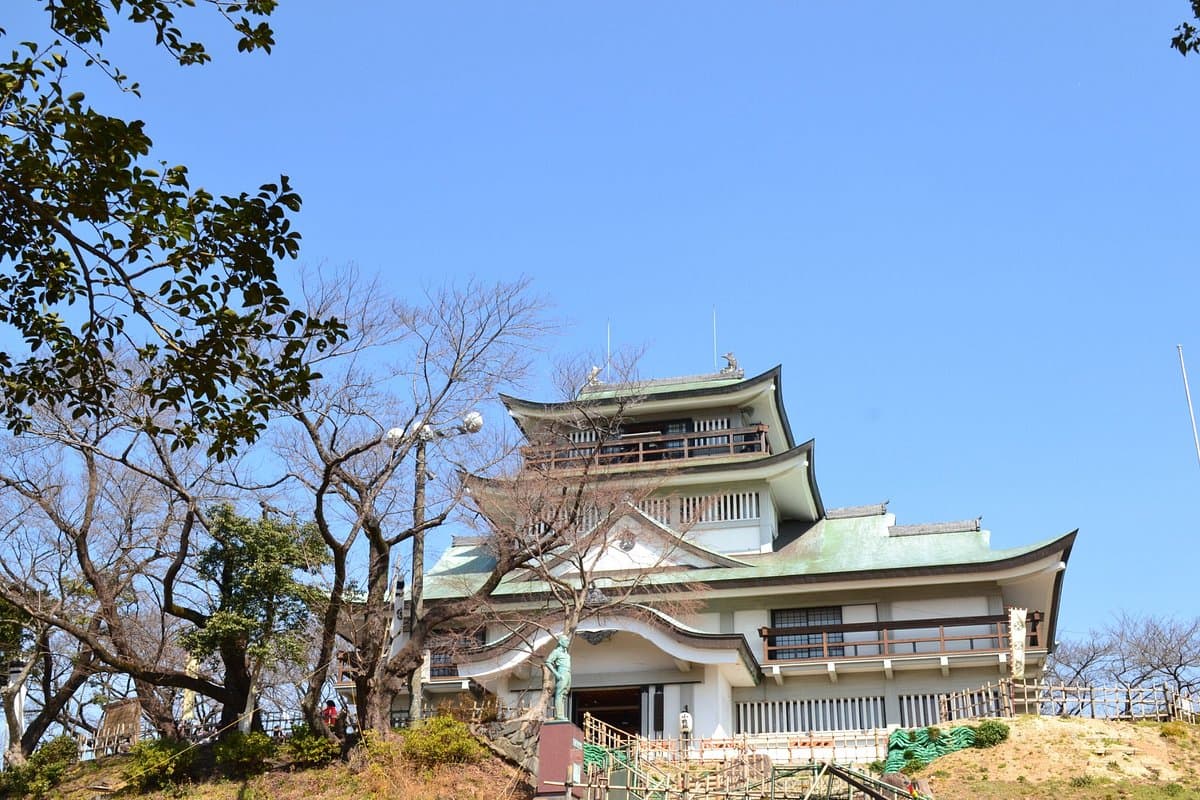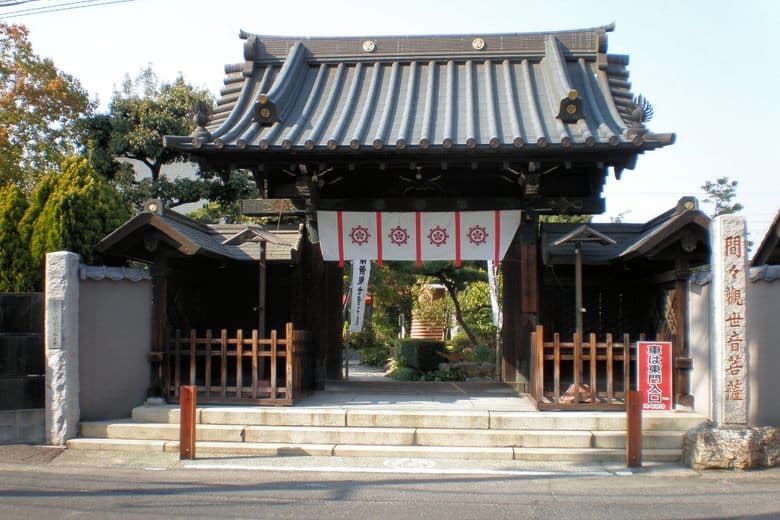
Ryūon-ji Temple, more commonly known as Mama Kannon or Komakiyama Mamakannon, holds a distinctive place in Japanese Buddhism. Established in 1492 and later relocated in the 16th century by Oda Nobunaga, it is dedicated to the Thousand-Armed Kannon goddess. While many temples offer prayers for traffic safety, matchmaking, and safe childbirth, Mama Kannon stands out as the only Buddhist temple in Japan explicitly associated with breasts, earning it the nickname "Breast Temple." This unique dedication stems from a legend dating back to 1665, where a woman unable to breastfeed prayed here and subsequently found success.
Visitors consistently highlight the temple's unusual and pervasive breast-shaped motifs as its main draw. From the ema prayer plaques to the ablution pavilions and incense stick stands, nearly everything on the grounds incorporates this distinctive design. Reviewers often describe the experience as surprising and even humorous, yet ultimately sincere. Many note the peaceful atmosphere and the dedication of women, often pregnant, who come to pray for fertility, safe delivery, and successful lactation. The temple's unique visual elements make it a memorable stop for those seeking something beyond the typical temple experience.
To fully appreciate the temple's unique offerings, visitors typically spend about 1 to 2 hours exploring the grounds and observing the various breast-themed artifacts. There are no specific warnings about crowds, suggesting a visit at any time of day is generally pleasant. It's advisable to bring a camera to capture the unusual sights. While the theme might seem quirky, the temple's intentions are deeply rooted in historical beliefs about maternal health and well-being.
The temple is located in Komaki, Aichi Prefecture. While specific public transport details are not widely reviewed, visitors to similar regional temples often rely on a combination of train and local bus services. The nearest major train station would likely be in Komaki city, from which local buses or taxis would be the most practical way to reach the temple. Driving is also an option for those with rental cars, and parking is generally available at such sites.
Some visitors might initially find the overt breast imagery a bit jarring or unexpected. However, understanding the historical context and the sincere prayers of those who visit helps to frame the experience appropriately. The temple is not intended to be irreverent but rather a place of earnest devotion for maternal health, so approaching it with an open mind is recommended to fully appreciate its cultural significance.