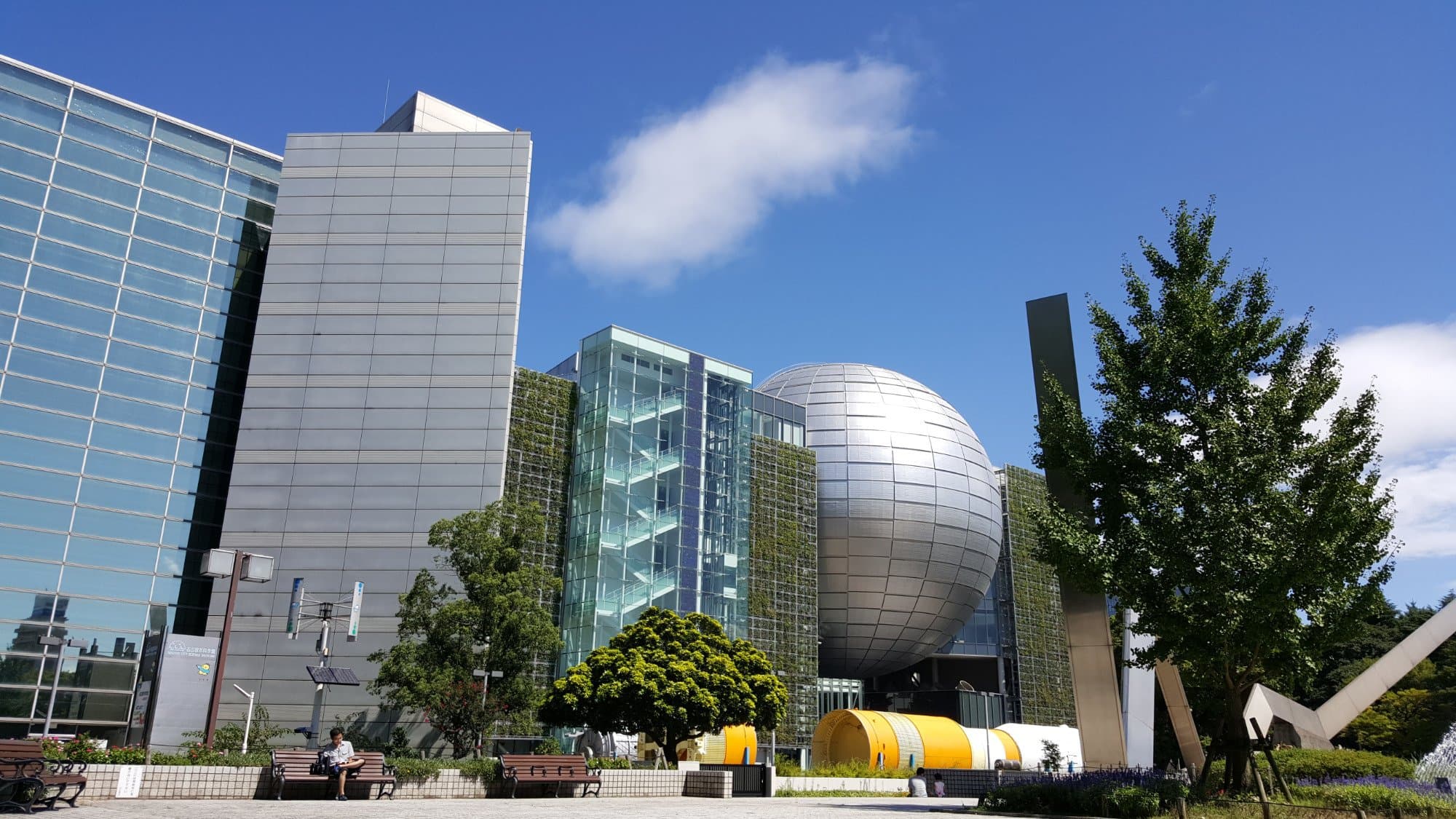
The Nagoya City Science Museum, located within Shirakawa Park, is a comprehensive science museum that opened in 1964. It is renowned for its distinctive architecture, featuring a giant spherical planetarium, and offers an immersive environment for learning about technology, the universe, and biological sciences. It stands as a significant educational and recreational facility in Nagoya.
Visitors consistently praise the museum for its highly interactive and hands-on exhibits, making it an excellent destination for families with children. Many reviewers highlight the engaging nature of the displays, which allow both kids and adults to actively participate in scientific experiments and demonstrations. Specific attractions like the -30°C room, the 9-meter tall man-made tornado, and the high-voltage discharge show are frequently mentioned as captivating experiences. The museum is often described as a "playground for science" where learning is combined with entertainment.
However, a recurring theme in visitor feedback is the significant language barrier. The vast majority of explanations, signage, and especially the planetarium shows are exclusively in Japanese. While some interactive exhibits are self-explanatory or can be enjoyed visually, non-Japanese speakers often feel they miss out on deeper understanding. Reviewers suggest using translation apps for signs, but acknowledge this is not ideal for the planetarium. Despite this, many English-speaking visitors still found the hands-on nature enjoyable. It's recommended to allocate at least 3-5 hours to explore the museum thoroughly, with some suggesting a full day if you want to experience everything. Arriving early, especially before 9:30 AM, is crucial to secure tickets for popular timed experiences like the -30°C room and the planetarium, as these often sell out quickly, particularly on weekends and holidays.
The museum is conveniently located in Shirakawa Park. The nearest subway station is Fushimi Station on the Tsurumai Line of the Nagoya Municipal Subway, which is within walking distance. Reviewers often mention the ease of access via public transport. For those driving, parking information is less frequently mentioned in reviews, suggesting public transport is the preferred method for most visitors.
The primary complaint revolves around the lack of English translations. To mitigate this, visitors recommend focusing on the visual and interactive aspects of the exhibits. While the planetarium shows are entirely in Japanese, some find the visual experience alone worthwhile. Consider purchasing only the museum entry ticket if understanding the detailed explanations is a priority and you don't speak Japanese, as the planetarium costs extra. Be aware that the museum is closed on Mondays, and some special exhibitions may have additional fees and separate rules regarding photography.