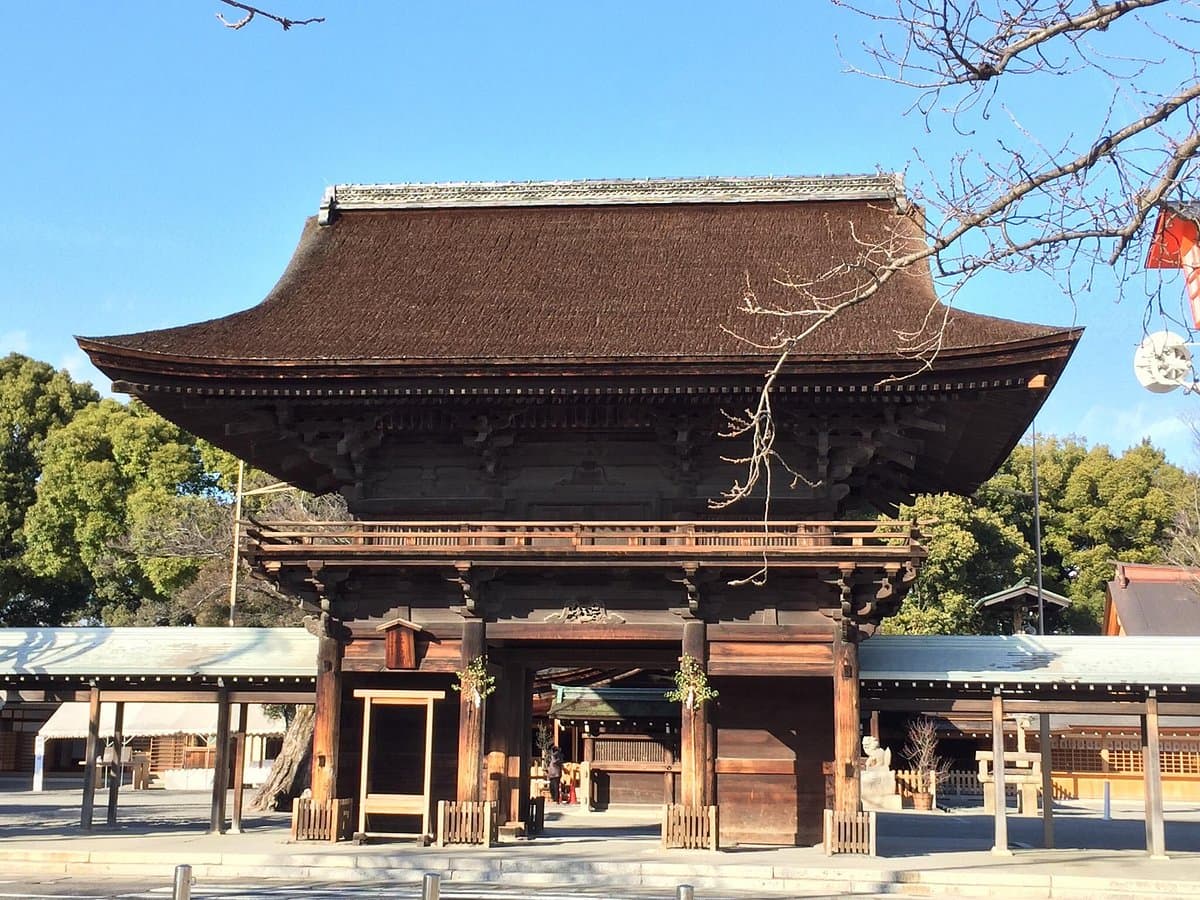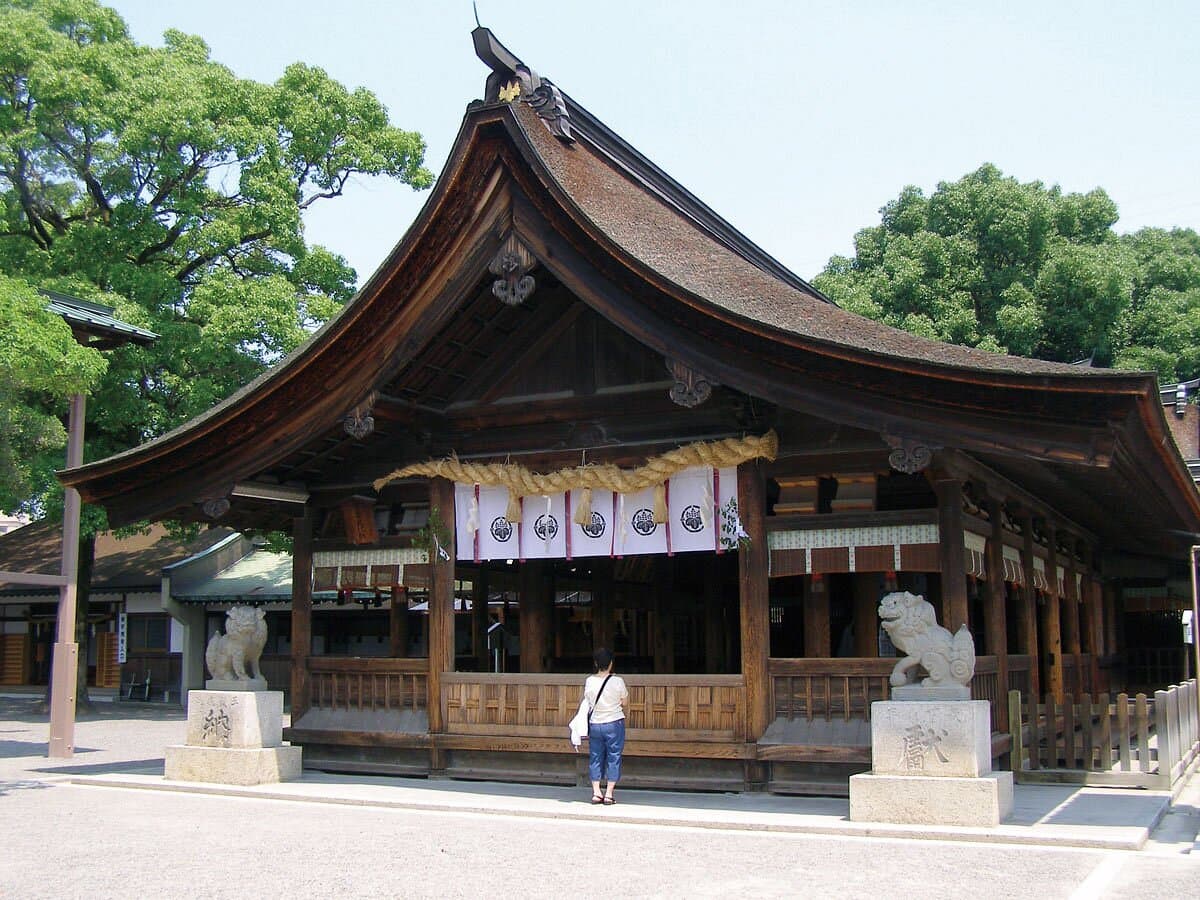
Owari Okunitama Shrine is one of the oldest and most revered Shinto shrines in the Aichi Prefecture, with a history spanning over 1,400 years. It serves as the Ichinomiya (highest-ranked shrine) of the former Owari Province and is deeply intertwined with the region's spiritual heritage. The shrine is particularly famous for hosting the Konomiya Hadaka Matsuri, or Naked Festival, held annually in February, which is designated as an Important Intangible Folk Cultural Property of Japan.
Visitors consistently praise the shrine's tranquil and well-maintained grounds, noting the beauty of the traditional architecture and the peaceful ambiance. Many reviewers highlight the opportunity to experience a sense of authentic Japanese culture away from more crowded tourist spots. The shrine's main hall and various smaller structures are often admired for their intricate details and historical significance. While some visitors find the shrine relatively quiet on ordinary days, this contributes to its serene charm, allowing for contemplative walks and photography.
For a fulfilling visit, allocate about 1 to 2 hours to explore the grounds thoroughly. The best time to visit for a peaceful experience is during the morning on a weekday. If you plan to attend the Konomiya Hadaka Matsuri, be prepared for large crowds and a lively, energetic atmosphere; research the festival dates well in advance. Wear comfortable shoes as you will be walking on gravel paths. There are usually vending machines available for drinks, but it's advisable to bring your own water, especially during warmer months.
The Owari Okunitama Shrine is located in Inazawa, Aichi Prefecture. It is accessible by public transport. The nearest train station is Konomiya Station on the Meitetsu Nagoya Line. From Konomiya Station, the shrine is approximately a 10-15 minute walk. Reviewers suggest that the walk is straightforward and pleasant. If driving, there is usually parking available, though it can be limited during major festivals.
A common complaint, particularly from those visiting outside of festival times, is that the shrine can feel somewhat understated compared to more grand or famous shrines. To mitigate this, approach your visit with an appreciation for its historical depth and local significance rather than expecting a visually overwhelming spectacle. Reading about the shrine's history and the Hadaka Matsuri beforehand can enhance your understanding and enjoyment.