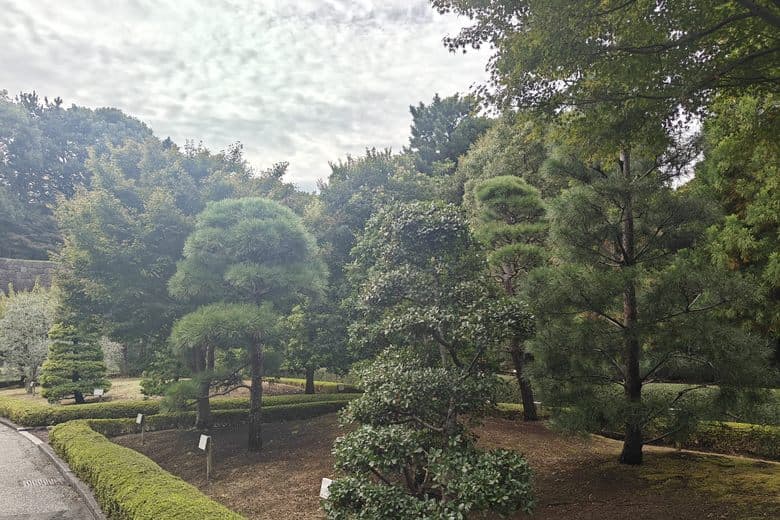
The Ni-no-maru Garden, located within the expansive grounds of Nagoya Castle, is more than just a green space; it's a living botanical exhibition. Established in 1968, it showcases a tree from each of Japan's 47 prefectures, offering a miniature journey through the country's diverse ecosystems. This unique collection, expanded in 1972 to include trees from Okinawa, features 36 different species, from northern pines to tropical palms, each accompanied by a sign detailing its origin and species. It serves as a tranquil counterpoint to the historical grandeur of the castle, providing visitors with a quiet place for reflection and an educational insight into Japan's natural heritage.
Visitors consistently praise the garden for its peaceful ambiance and well-maintained pathways. Many reviewers highlight the educational aspect, finding the signs explaining each tree's prefecture of origin to be particularly interesting. The garden is often described as a 'hidden gem' or a 'pleasant surprise' for those who stumble upon it after exploring the castle. Its free accessibility is a significant advantage, encouraging a leisurely stroll without additional cost. Some visitors note that while the garden is beautiful year-round, its appearance changes with the seasons, offering different visual experiences depending on the time of visit.
To make the most of your visit, allocate about 30-60 minutes to leisurely explore the garden. It's best visited during daylight hours, ideally in the morning or late afternoon to avoid the midday sun, especially in summer. Since it's an outdoor attraction, comfortable walking shoes are recommended. Bringing a bottle of water is advisable, particularly on warmer days, as there are limited facilities directly within the garden itself. There are no specific items to skip, as the entire collection is part of its unique charm.
The Ni-no-maru Garden is situated within the Nagoya Castle grounds, which are easily accessible by public transport. The nearest subway stations are Shiyakusho Station (Meijo Line) and Sengen-cho Station (Tsurumai Line), both within a 5-10 minute walk to the castle's main entrance. From Nagoya Station, you can take the Meijo Line directly to Shiyakusho Station. Driving is also an option, with paid parking available around the castle perimeter, though public transport is generally recommended for convenience and to avoid potential traffic. Once inside the castle grounds, follow the signs to the Ni-no-maru Garden, which is typically located near the East Gate.
A common complaint, though minor, is that some visitors expect a more elaborate or traditional Japanese garden design. However, understanding its specific purpose as a collection of prefectural trees helps manage expectations. The garden's beauty lies in its botanical diversity and educational value rather than intricate landscape architecture. To mitigate this, approach the garden with an appreciation for its unique concept rather than comparing it to highly stylized traditional gardens.