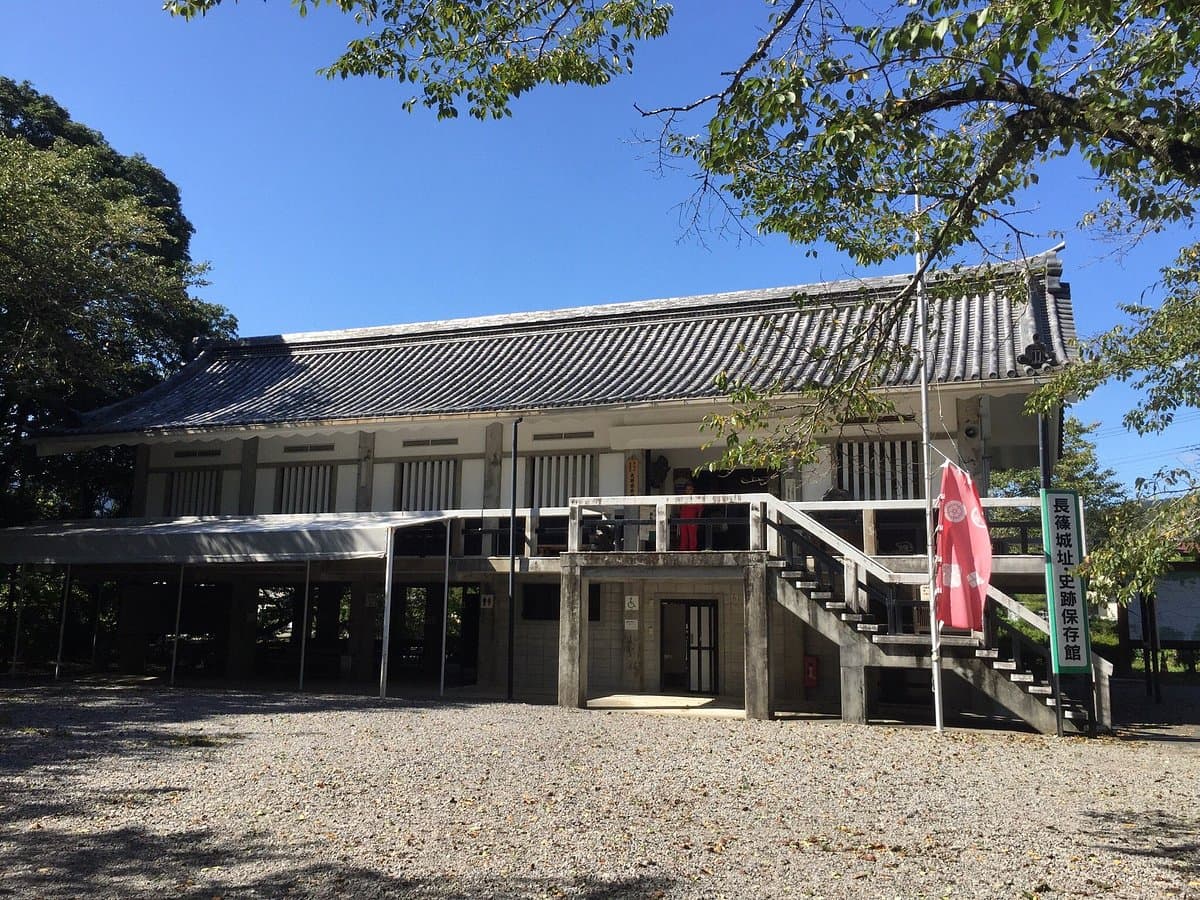
Nagashinojoshi, or Nagashino Castle Site, is a historically significant location in Japan, renowned as the setting for the pivotal Battle of Nagashino in 1575. This battle was a turning point in Japanese warfare, where Oda Nobunaga and Tokugawa Ieyasu's forces, utilizing firearms, decisively defeated the cavalry-heavy Takeda clan. The site commemorates the bravery of the 500 Tokugawa samurai who held the fort against overwhelming Takeda forces, making it a crucial destination for understanding Japan's Sengoku period.
Visitors consistently praise the historical atmosphere and the well-maintained museum. Reviewers highlight the museum's comprehensive exhibits, noting that a significant amount of information is available in English, which greatly enhances the experience for international visitors. The ability to walk the actual battleground and visualize the events that unfolded centuries ago is a major draw, offering a tangible connection to history. The site is particularly appreciated by those with an interest in samurai culture and military history.
To make the most of your visit, allocate at least 2-3 hours to explore both the castle ruins and the museum thoroughly. It is advisable to wear comfortable walking shoes as you will be traversing historical grounds. Bringing a camera is recommended to capture the scenic views and historical markers. The best time to visit is during the cooler months of spring or autumn to enjoy walking outdoors. There are no specific complaints about crowds, suggesting a generally peaceful visit.
Nagashinojoshi is located at 22-1 Nagashino Aza Ichiba, Shinshiro, Aichi Prefecture. While specific public transport details are not extensively mentioned in reviews, visitors typically reach Shinshiro by train and then use local buses or taxis to get to the castle site. Driving is also an option, and parking facilities are generally available. It is recommended to check local bus schedules in advance, as services might be less frequent in rural areas.
Common complaints are minimal, primarily revolving around the site being somewhat remote, which can make access challenging without a car or careful planning of public transport. To mitigate this, consider combining your visit with other attractions in the Aichi Prefecture or planning your journey to align with bus schedules. The historical significance outweighs any minor inconvenience for those with a genuine interest.