The Nagashino Historic Battlefield is a site of immense historical significance in Japan, marking the location of a pivotal battle in 1575 where Oda Nobunaga's innovative use of firearms led to a decisive victory over the cavalry-heavy Takeda clan. This battle is often cited as a turning point in Japanese warfare, ushering in an era where firearms played a more prominent role. For those interested in samurai history and military strategy, the battlefield offers a tangible connection to this era.
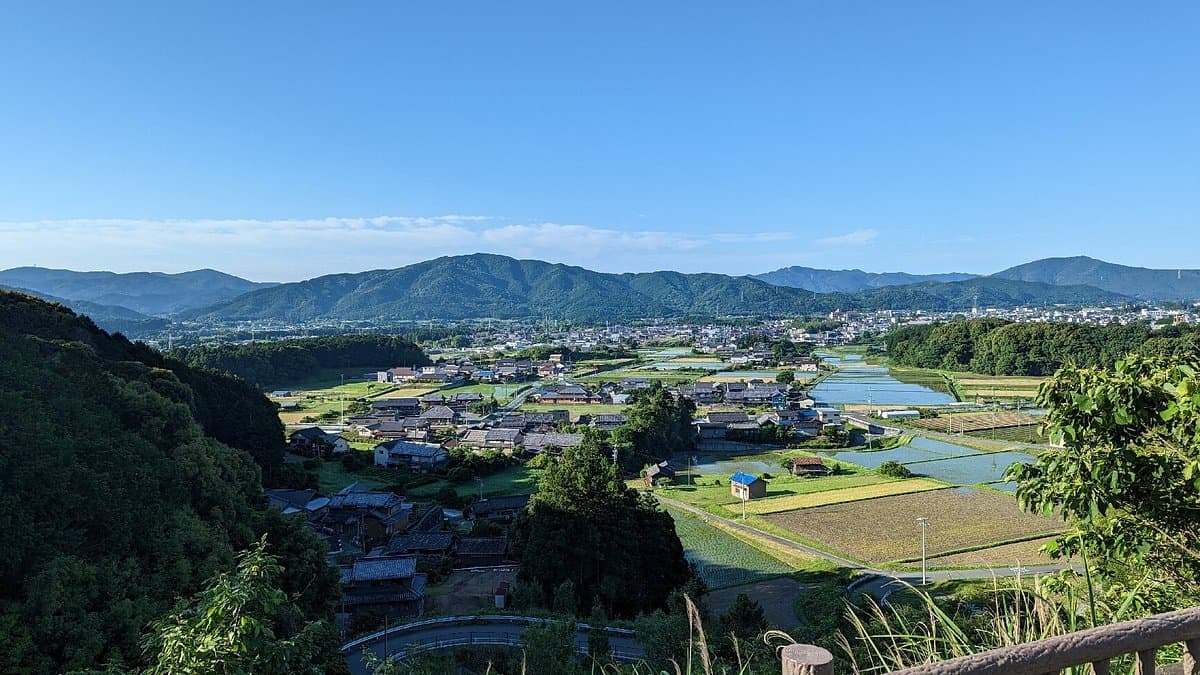
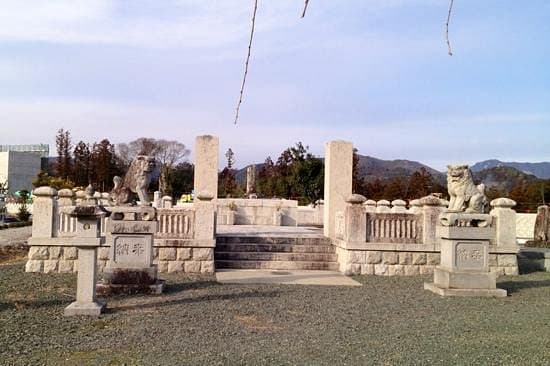
Visitors consistently praise the peaceful and well-maintained nature of the site, noting the opportunity for quiet contemplation. Many appreciate the various monuments and markers that help visualize the battle's progression, along with the small but informative museum. Reviewers suggest that understanding the historical context beforehand significantly enhances the visit, as the site itself is largely open ground. The museum is highlighted as a good starting point to grasp the battle's importance and key figures.
To make the most of your visit, it is recommended to allocate approximately 1-2 hours. Bringing comfortable walking shoes is advisable, as exploring the various points of interest involves some walking. Given its rural location, packing some water or snacks might be beneficial, as amenities are limited. The best time to visit is during pleasant weather, as much of the experience is outdoors. Consider visiting in the morning for a more tranquil atmosphere.
The Nagashino Historic Battlefield is located in Kawaji, Shinshiro, Aichi Prefecture. Public transport options are somewhat limited, and many visitors suggest that having a car is the most convenient way to reach the site. If relying on public transport, research local bus schedules from Shinshiro Station, as services may be infrequent. Parking is generally available on-site for those driving.
A common complaint among visitors is the lack of extensive English signage or detailed explanations outside the museum. To mitigate this, it is highly recommended to read up on the Battle of Nagashino before your visit or utilize a translation app for the Japanese signage. Some visitors also found the site to be less visually dramatic than expected, emphasizing the need for prior historical knowledge to fully appreciate its significance.