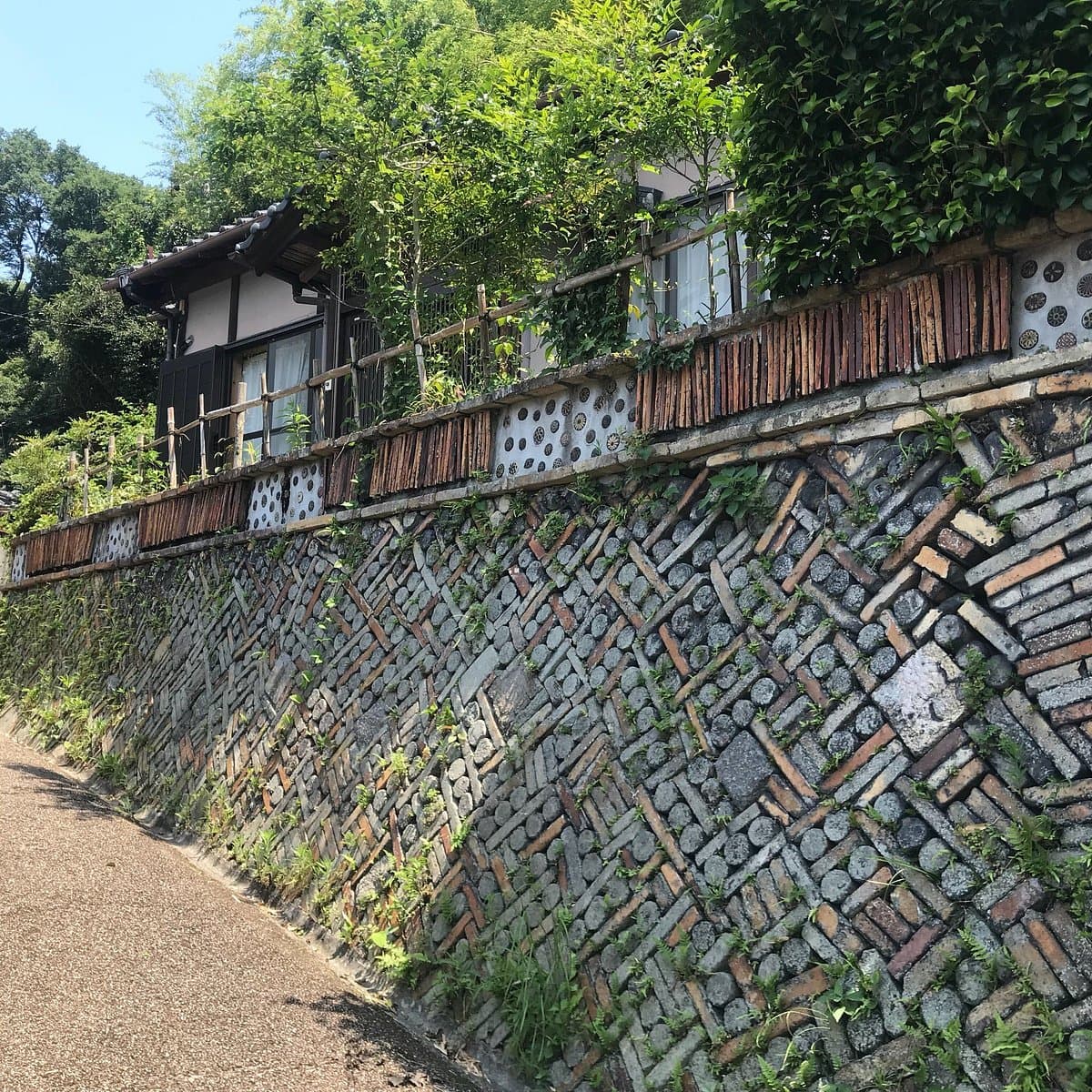
Kamagaki no Komichi, often translated as the "Kiln Wall Path," is a historical pathway in Seto, a city renowned for its pottery. This path is significant as it showcases the traditional methods and materials used in Seto ware production, with walls constructed from discarded kiln fragments and pottery shards. It serves as a tangible link to the region's centuries-old ceramic industry, offering a unique architectural and cultural experience.
Visitors frequently praise the path's unique aesthetic and the sense of history it evokes. The intricate details of the ceramic-embedded walls and the traditional houses lining the path are often highlighted as charming. However, some reviewers note that the path can be shorter than anticipated and might not offer extensive exploration opportunities. The surrounding area, with its blend of ancient pottery traditions and modern suburban life, provides an interesting contrast that some find compelling.
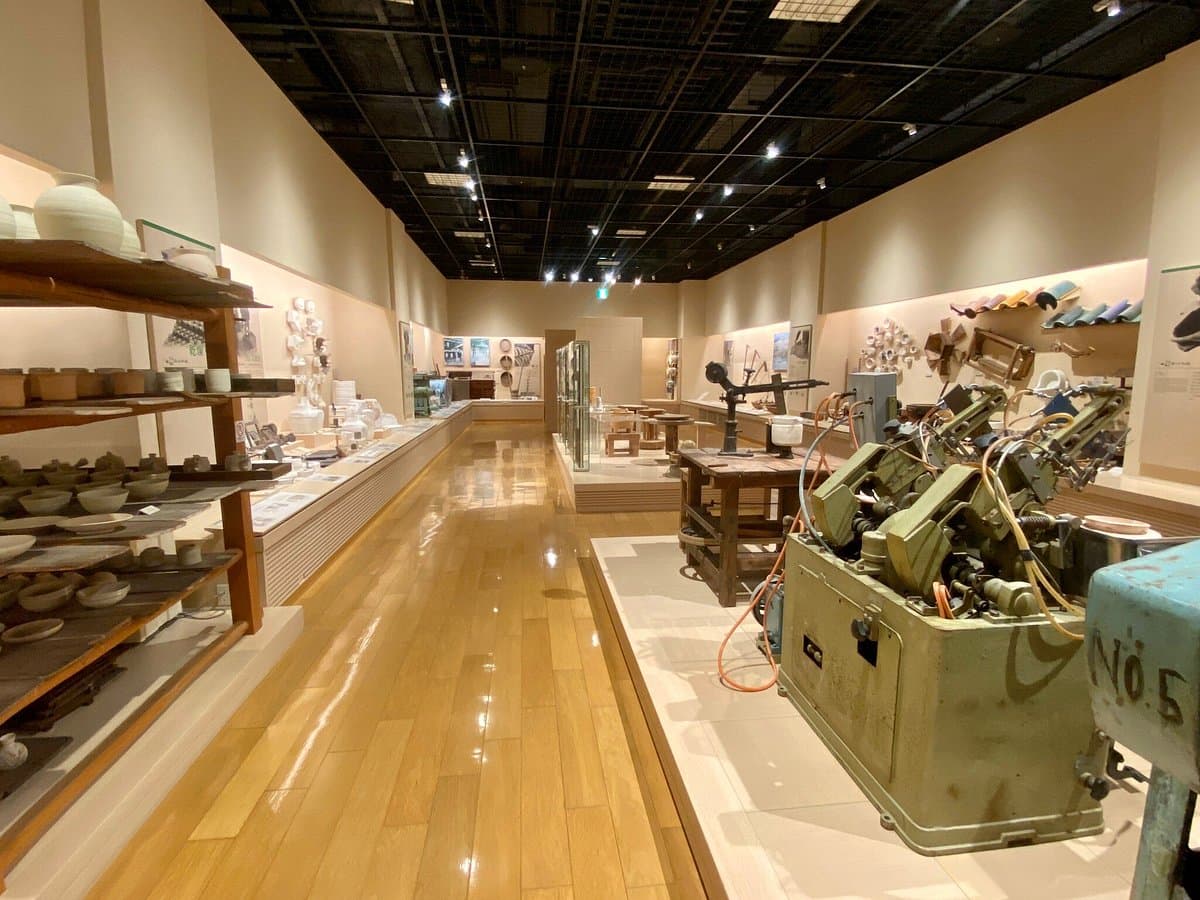
To make the most of a visit, consider combining it with other pottery-related attractions in Seto, such as the Seto-Gura Museum or local pottery shops. A leisurely pace is recommended to appreciate the details of the kiln walls. The path is generally quiet, making it suitable for a peaceful stroll. There are no specific items to bring, but comfortable walking shoes are advisable. A visit of 30-60 minutes is usually sufficient to explore the path itself.
Kamagaki no Komichi is located in Nakabora-cho, Seto. Seto city is accessible by public transport from Nagoya. Visitors can take the Meitetsu Seto Line from Owari Seto Station. From the station, the path is typically within walking distance, allowing for an easy and pleasant stroll through the town. Driving is also an option, though parking availability might vary in the immediate vicinity.
A common complaint is the path's brevity and the potential for it to feel somewhat isolated from other major attractions. To mitigate this, plan your visit as part of a larger itinerary exploring Seto's pottery culture, rather than as a standalone destination. Engaging with local shops and museums can enhance the overall experience and provide a broader context for the path's historical significance.