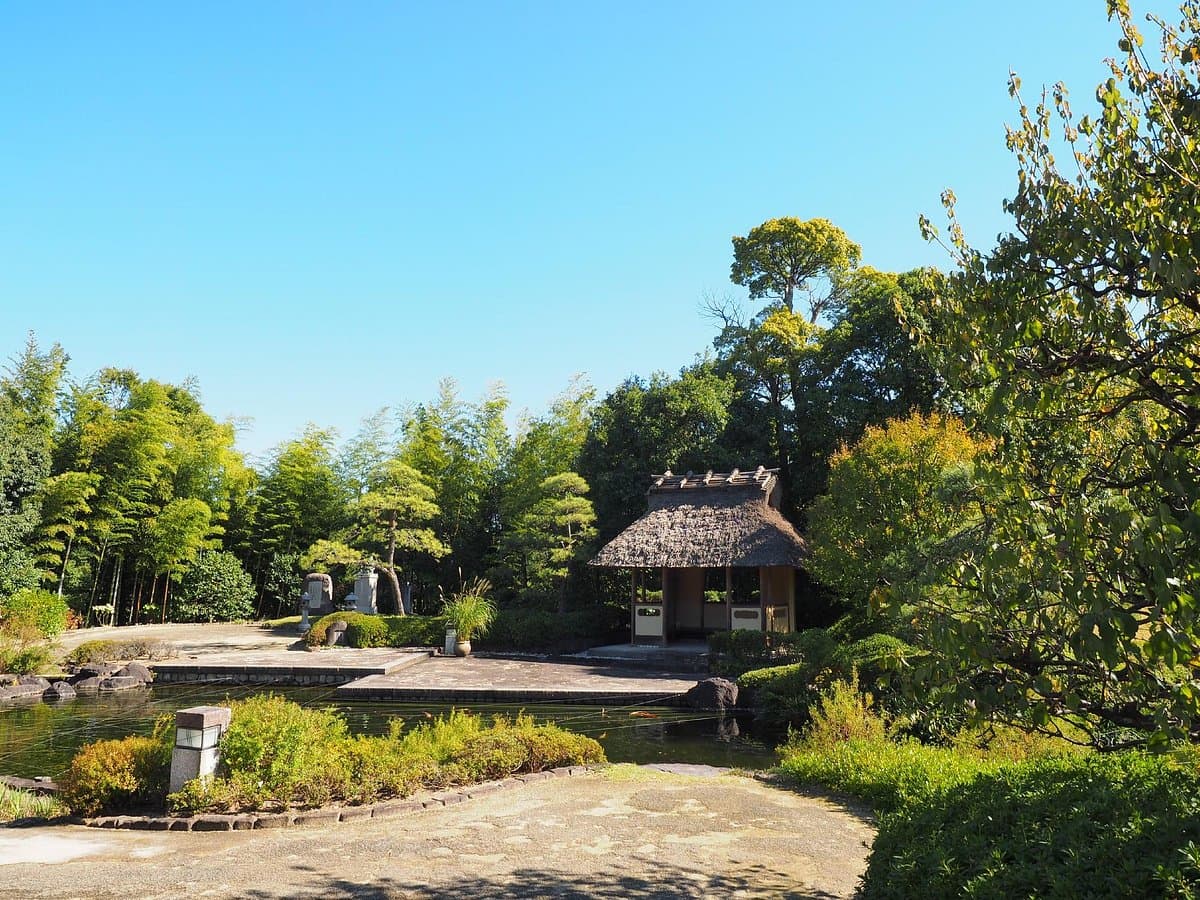
Jozanen is a beautiful Japanese garden established by Ishikawa Jozan, a renowned poet and Buddhist scholar during the early Edo era. It stands out as a hidden gem in Anjo, offering a glimpse into traditional Japanese landscape design and a peaceful retreat from the bustling city life. Its historical significance and serene ambiance make it a noteworthy, albeit lesser-known, cultural site.
Visitors consistently praise Jozanen for its tranquil and uncrowded atmosphere, often comparing it to the more famous gardens of Kyoto but without the throngs of tourists. Reviewers highlight the breathtaking scenic views and the sense of solemnity that pervades the garden. The hospitality of the staff is also frequently mentioned, contributing to a welcoming and pleasant experience.
To make the most of your visit, allocate at least an hour to leisurely explore the garden. Many suggest that the best time to visit is during the shoulder seasons (spring or autumn) when the foliage is particularly vibrant or the weather is mild. Since it's often described as a place for quiet contemplation, consider bringing a book or simply enjoying the peaceful surroundings. There are no specific items to bring, but comfortable walking shoes are always advisable for exploring gardens.
Getting to Jozanen can be a bit challenging without a car, as several reviewers note. One recommended approach is to take the Meitetsu Nishio line to Sakurai Station. From there, some visitors have successfully hired bicycles for free from the nearby Kominkan (community center) to reach the garden. If you plan to use public transport, ensure you have a reliable map or navigation app, as local knowledge might be limited. Driving offers more flexibility, and parking information should be checked in advance if available.
The primary 'complaint' or challenge noted by visitors is the difficulty of access without a private vehicle. To mitigate this, thorough planning of your public transport route, including checking bus schedules or considering a taxi from the nearest train station, is highly recommended. Utilizing local resources like the Kominkan for bicycle rentals can also enhance the experience and solve the transportation issue.