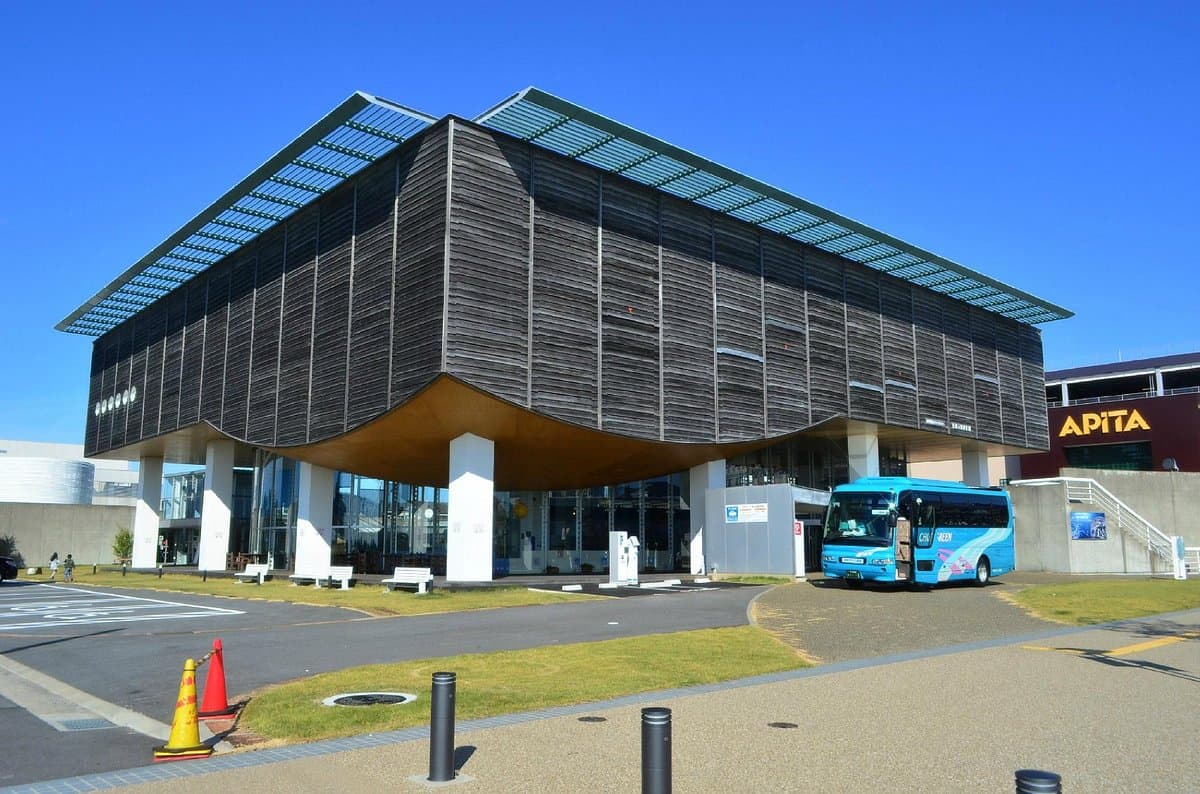
The Gamagori Museum of Earth is a three-story science museum dedicated to geology, paleontology, and the natural history of the Earth, with a particular emphasis on local discoveries. It serves as an educational resource for the region, showcasing a variety of exhibits from fossils, including a new species of Inca whale, to interactive displays that appeal to a broad audience.
Visitors consistently praise the museum for its modern facilities and engaging exhibits, noting that it feels relatively new and well-maintained. Families with small children often highlight the child-friendly nature of the museum, with interactive elements that keep younger visitors entertained and educated. The detailed descriptions accompanying the exhibits, particularly for significant finds like the Inca whale, are frequently mentioned as a positive aspect, providing depth to the learning experience.
For a fulfilling visit, allocate approximately 1-2 hours. The museum is generally not crowded, allowing for a relaxed pace. It is particularly suitable for a rainy day activity or as part of a larger itinerary in Gamagori. Bringing a camera is recommended for those interested in the unique fossil displays. While there are no specific warnings about what to skip, visitors suggest focusing on the main fossil exhibits and interactive sections for the most engaging experience.
The museum is located at 17-17 Minatomachi, Gamagori, Aichi Prefecture. Access can be challenging during local events, such as mini-marathons, which may lead to road closures and difficulties reaching the parking lot. It is advisable to check for local event schedules before planning your visit, especially if traveling by car. Public transportation options to Gamagori Station are available, and from there, local buses or a short taxi ride would be necessary to reach the museum.
A common complaint, though not widespread, relates to potential access issues during special events. To mitigate this, check local event calendars for Gamagori on your planned visit dates. If an event is scheduled, consider alternative transportation or adjust your timing to avoid road closures and parking difficulties.