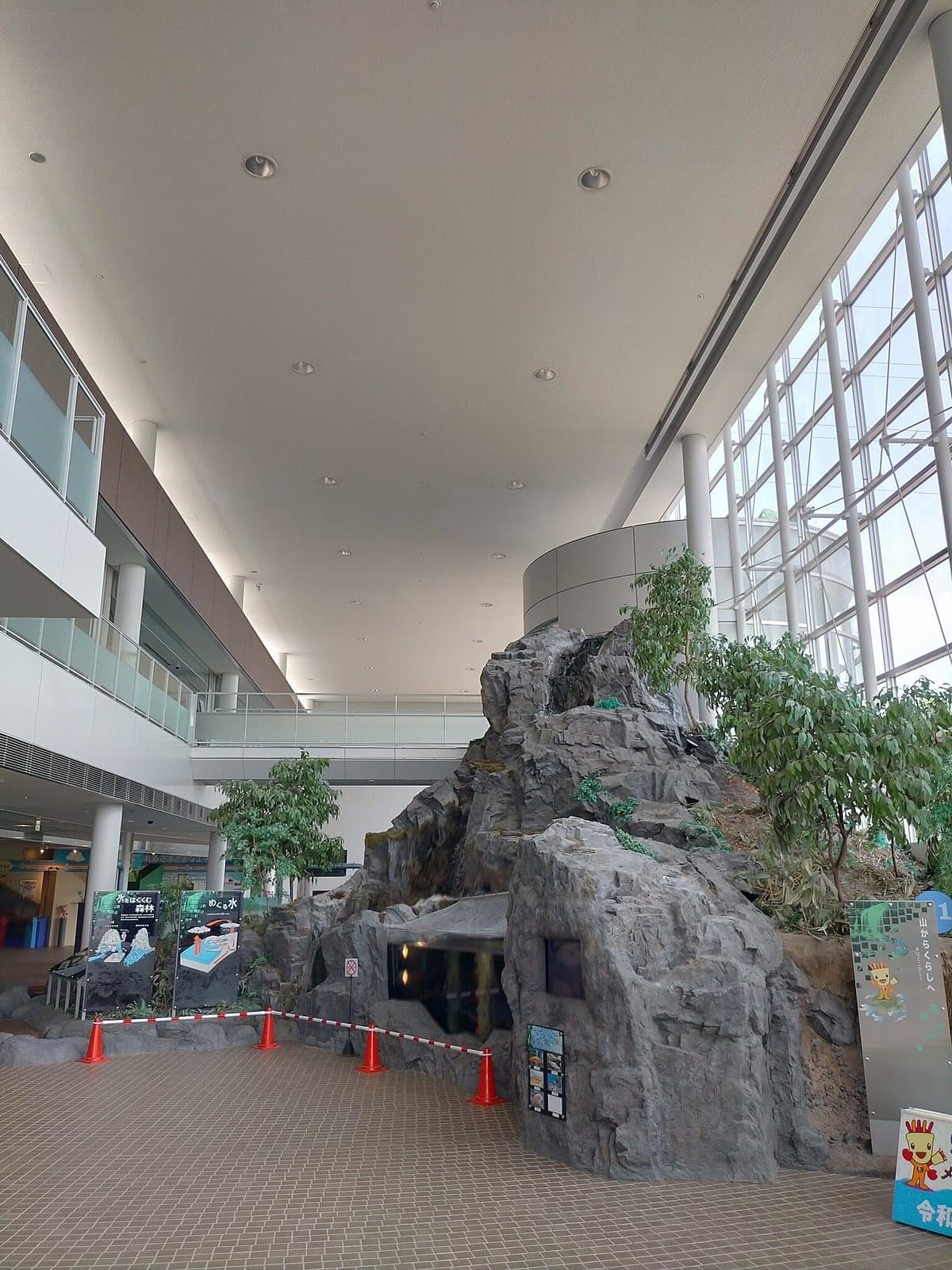
The Aichi Sewage Science Museum is a specialized facility dedicated to educating the public about wastewater treatment processes and the importance of sanitation. It serves as an educational resource, explaining complex scientific concepts related to sewage management through accessible and engaging exhibits. For those interested in environmental science, urban infrastructure, or simply looking for an unconventional museum experience, it offers a unique perspective on a vital public service.
Visitors consistently praise the museum for its interactive displays and the clarity with which it explains the sewage treatment process. Many reviewers highlight the hands-on exhibits, which make learning about wastewater surprisingly fun and understandable for all ages. The museum's focus on environmental education is also frequently commended, with several visitors appreciating the insights gained into sustainable practices and the ecological impact of sewage. The fact that it is free to enter is a significant draw, making it an accessible option for families and budget-conscious travelers.
To make the most of your visit, plan to spend approximately 1 to 2 hours exploring the exhibits. The museum is particularly suitable for a rainy day activity or for families with curious children. There are no specific items to bring, but an open mind and a willingness to learn about an unusual topic will enhance the experience. Reviewers suggest that the museum is best visited during off-peak hours to fully engage with the interactive elements without crowds.
The Aichi Sewage Science Museum is located at 295-3, Heiwacho Sukatani Nagata, Inazawa, Aichi Prefecture. While specific public transport details are not widely reviewed, visitors generally note that it is somewhat off the beaten path and may require a car or a combination of train and local bus/taxi to reach. If relying on public transport, it is advisable to research local bus routes from the nearest train station (e.g., Inazawa Station) in advance. Parking is available on-site for those driving.
A common complaint among some visitors is the niche nature of the museum, which might not appeal to everyone. Those expecting a traditional art or history museum might find the subject matter less engaging. To mitigate this, approach the visit with an understanding that it is a highly specialized science museum. Another minor point raised is the limited English information on some exhibits, though many interactive displays are intuitive enough to understand without extensive translation.