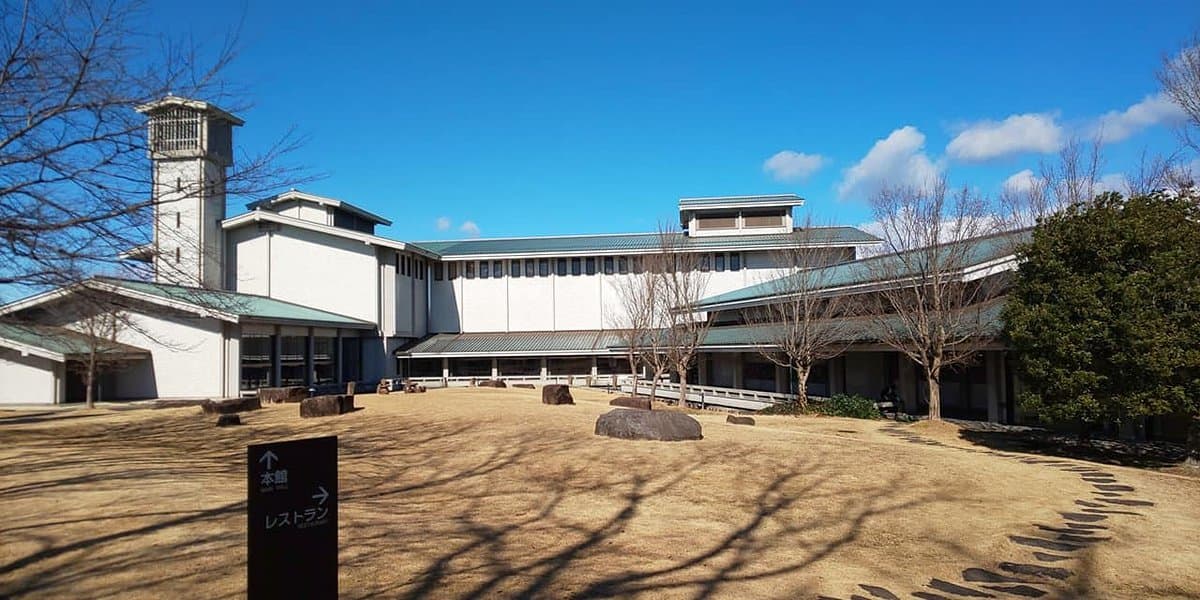
The Aichi Prefectural Ceramic Museum is a significant institution dedicated to the preservation and exhibition of ceramic art, with a particular focus on the rich ceramic traditions of Aichi Prefecture, especially Seto ware. It serves as an educational and cultural hub, showcasing a vast array of ceramic pieces from Japan, East Asia, Europe, and the Americas, highlighting the global evolution and diversity of this ancient craft.
Visitors consistently praise the museum for its extensive and diverse collection, which is described as "dazzling" and "fascinating." Reviewers note the broad geographical scope of the exhibits, allowing for a comparative understanding of ceramic styles and techniques across different cultures. The museum's quiet and uncrowded environment is frequently mentioned as a positive aspect, contributing to a relaxed and contemplative viewing experience. This allows for a deeper appreciation of the intricate details and historical significance of each piece.
For a fulfilling visit, allocate approximately 2 to 3 hours to explore the collections thoroughly. The museum is generally not crowded, so there isn't a specific 'best time' to avoid crowds, but a weekday visit might offer an even more serene experience. Consider combining your visit with a trip to local ceramic shops in Seto, as some visitors enjoy purchasing gifts or souvenirs after their museum tour. There are no specific items to bring beyond comfortable shoes for walking through the galleries.
The Aichi Prefectural Ceramic Museum is located at 234 Minamiyamaguchi-cho, Seto. While specific public transport details are not extensively mentioned in reviews, Seto is known for its ceramic industry and is accessible by train. Visitors often travel to Seto and then use local transport or taxis to reach the museum. Driving is also an option, and parking facilities are typically available at such institutions.
Common complaints are not prominent in visitor reviews, suggesting a generally positive experience. However, those not deeply interested in ceramics might find the extensive collection overwhelming. To mitigate this, focus on specific regions or historical periods that pique your interest, or utilize any available audio guides or exhibition pamphlets to enhance your understanding and engagement.